What are my paintings about?
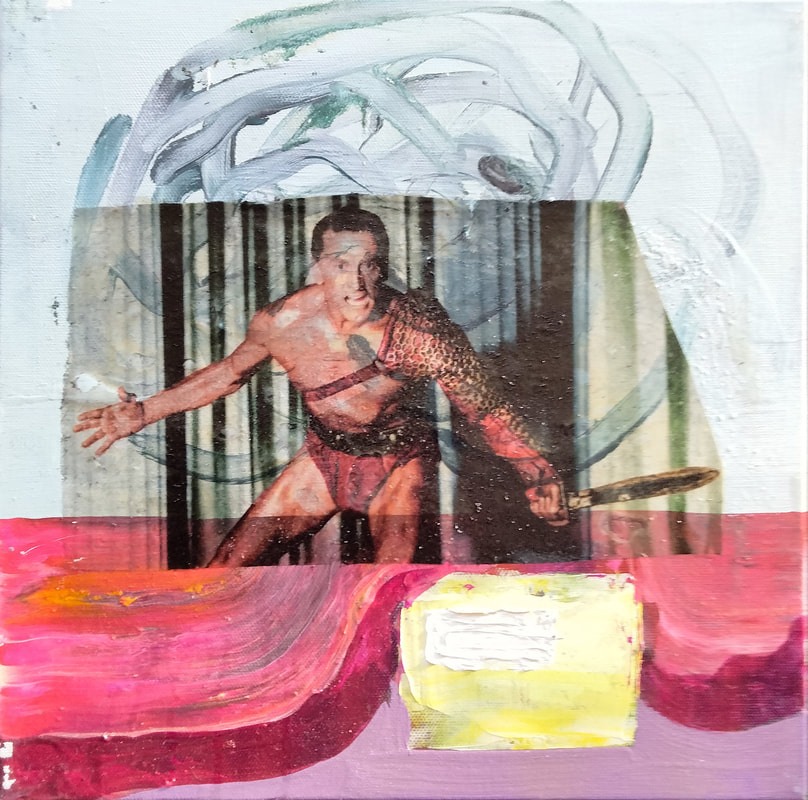
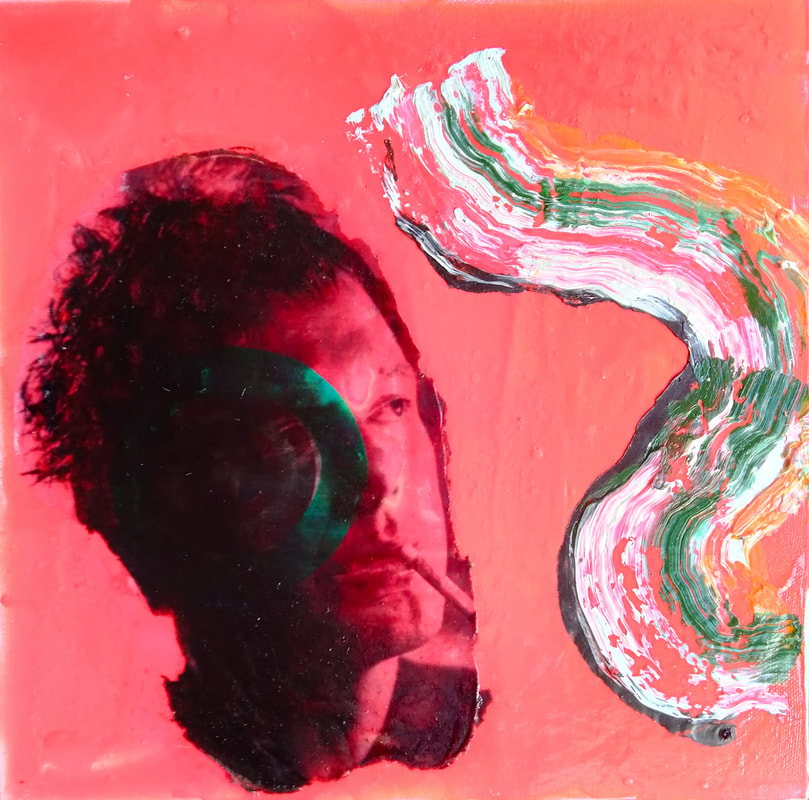
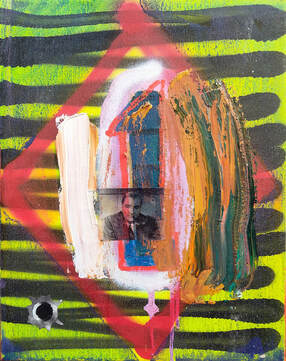
They are maps. They locate things within a space and form sets of relationships between things in the world. They are about being me, here, now! They relate to things and people around me and the thoughts and ideas that inform those relationships. They are about the freedom to choose and decide, to create meaning by doing so.
The function is of discursive formations between images, gestures, signs, symbols in a fluid, contingent and multi-layered network of meanings and possible relationships. They incorporate, on the same picture plane, a mixture of historical reference, auto-biography and sub-cultural content in a shifting soup of knowledge, conjecture, opinion, guesswork, and the irrational.
The ‘arena’ of the picture plane, although implying one section of an infinite extension, is a site for a merging of emotional states, conceptual ideas, memories and autobiography, where the nature of knowledge and understanding is contested and the connections between ‘events’ within that space create space for potential new relationships of meaning.
Disparate elements allow for networking of possibilities, akin to the nature of the Mind, that reflect the problem-solving and pattern recognition search of our innate way of existing in the world. Any inherent cohesion is somewhat hermetic, oft times illogical, but is reformulated by the active participation of the mind viewing it. This is not an acceptance of the ’subjective’, as an all-is-acceptable interpretation, but rather a realism based acknowledgment of the non-linear and historical set of the organization of the brain’s ordering processes.
The paintings therefore exist as a set of questions and possibilities, not answers, that offer up multiple avenues for non-didactic exchanges of potentialities. Meaning is based on truth being diverse and conflicted, on strategies of associative connection and cultural structures.
An extended introduction?..... The basis for my paintings is an intertextual examination of my own mortality, as seen through the merging contradictions of the disparate elements and influences of my life. This interpenetration occurs when the histories of abstract mark making, an ongoing developing iconography and sub-cultural motifs are placed in relationships on the picture plane. Colloquialisms and urban vernacular appear alongside art history, references to Brutalist architecture, comic books, skateboards, motorcycle club life, etc to explore a masculine identity within a transient lifetime. This allows for an extended and negotiated dialogue between ideas of the political and class division, race, sub-cultural resistance and tribalism, via a curatorial-type selection and arrangement on the picture plane.
They are maps. They locate things within a space and form sets of relationships between things in the world. They are about being me, here, now! They relate to things and people around me and the thoughts and ideas that inform those relationships. They are about the freedom to choose and decide, to create meaning by doing so.
The function is of discursive formations between images, gestures, signs, symbols in a fluid, contingent and multi-layered network of meanings and possible relationships. They incorporate, on the same picture plane, a mixture of historical reference, auto-biography and sub-cultural content in a shifting soup of knowledge, conjecture, opinion, guesswork, and the irrational.
The ‘arena’ of the picture plane, although implying one section of an infinite extension, is a site for a merging of emotional states, conceptual ideas, memories and autobiography, where the nature of knowledge and understanding is contested and the connections between ‘events’ within that space create space for potential new relationships of meaning.
Disparate elements allow for networking of possibilities, akin to the nature of the Mind, that reflect the problem-solving and pattern recognition search of our innate way of existing in the world. Any inherent cohesion is somewhat hermetic, oft times illogical, but is reformulated by the active participation of the mind viewing it. This is not an acceptance of the ’subjective’, as an all-is-acceptable interpretation, but rather a realism based acknowledgment of the non-linear and historical set of the organization of the brain’s ordering processes.
The paintings therefore exist as a set of questions and possibilities, not answers, that offer up multiple avenues for non-didactic exchanges of potentialities. Meaning is based on truth being diverse and conflicted, on strategies of associative connection and cultural structures.
An extended introduction?..... The basis for my paintings is an intertextual examination of my own mortality, as seen through the merging contradictions of the disparate elements and influences of my life. This interpenetration occurs when the histories of abstract mark making, an ongoing developing iconography and sub-cultural motifs are placed in relationships on the picture plane. Colloquialisms and urban vernacular appear alongside art history, references to Brutalist architecture, comic books, skateboards, motorcycle club life, etc to explore a masculine identity within a transient lifetime. This allows for an extended and negotiated dialogue between ideas of the political and class division, race, sub-cultural resistance and tribalism, via a curatorial-type selection and arrangement on the picture plane.
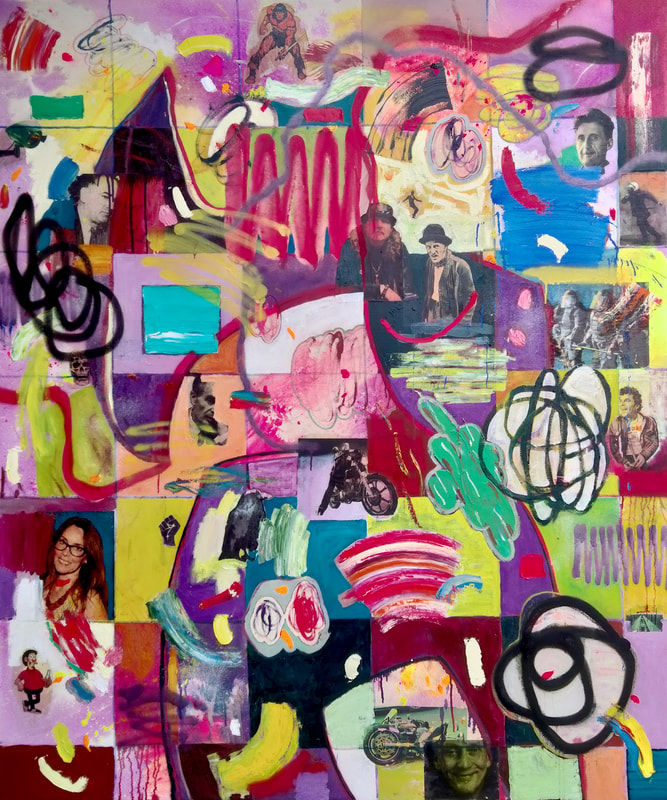
Parallax 31. 2024. oil, acrylic, spray paint, photo-transfers on canvas. 78 x 66 inches.
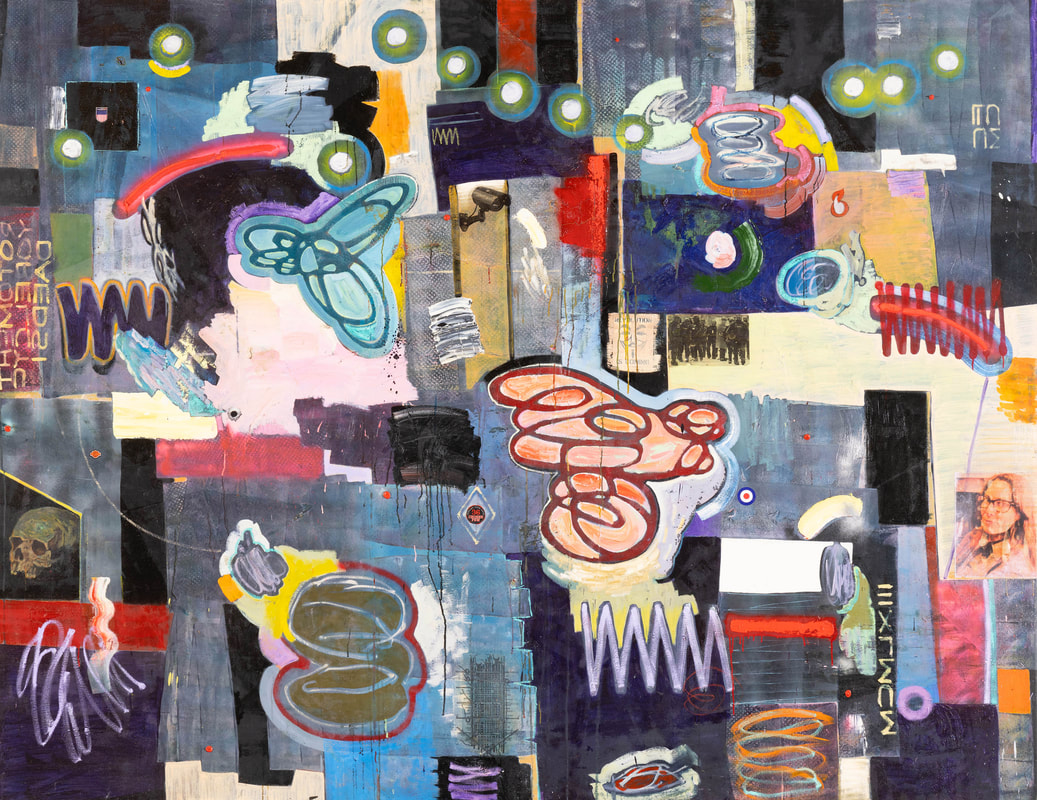
Parallax #30. 2023. oil, spray paint, sticker, photo transfer on canvas. 84 x 104 inches.
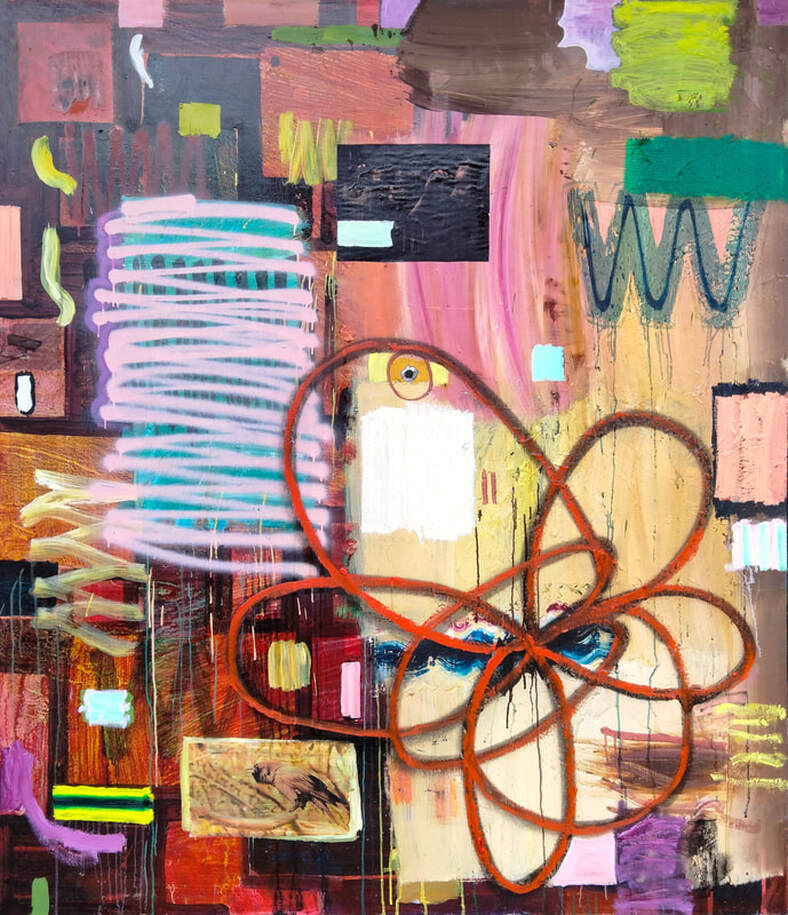
Parallax #34. 2024. oil, acrylic, spray paint, sticker, photo-transfer, on canvas. 60 x 52 inches.
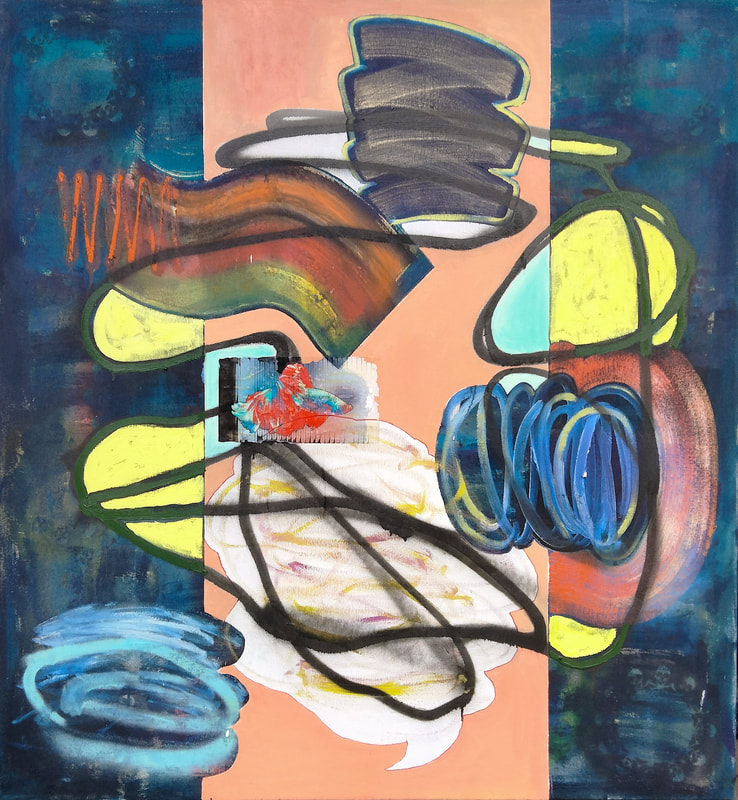
Parallax #33. 2024. oil, acrylic, spray paint, photo-transfer, on canvas. 52 x 48 inches.
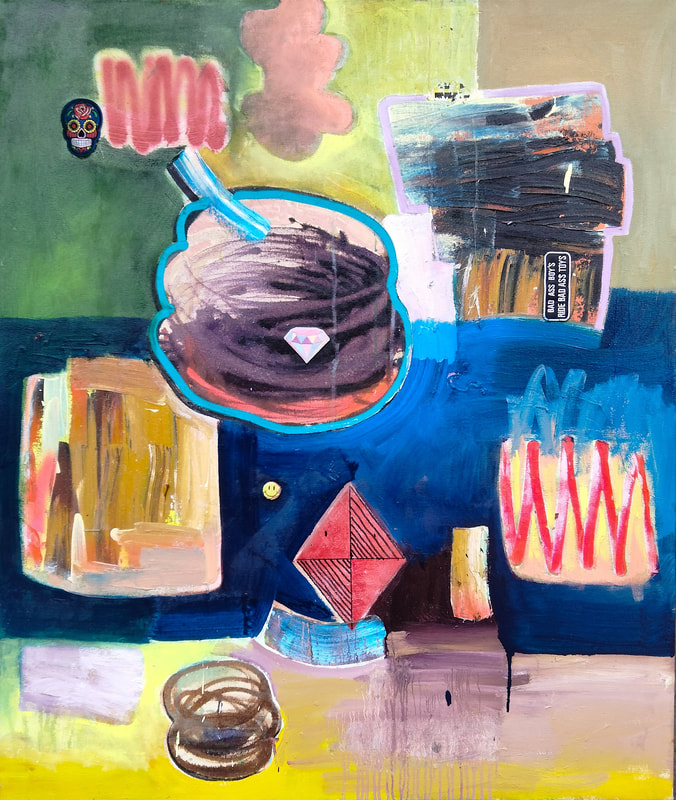
Parallax #32. 2024. oil, acrylic, spray paint, patches, button pin, on canvas. 42 x 36 inches.
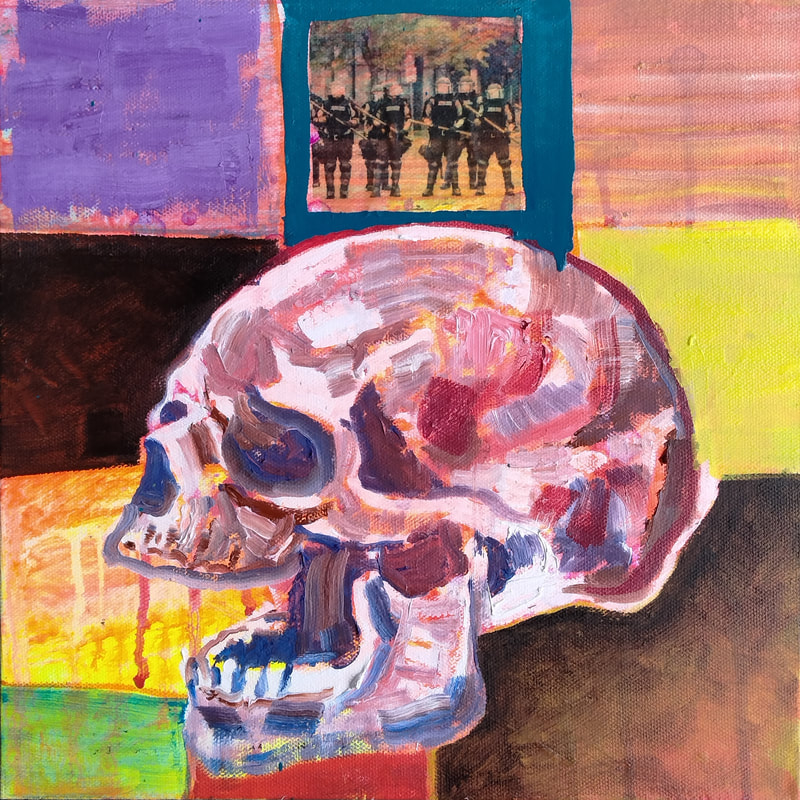
Mob Rule. 2024. oil, acrylic, photo-transfer on canvas. 12 x 12 inches
|
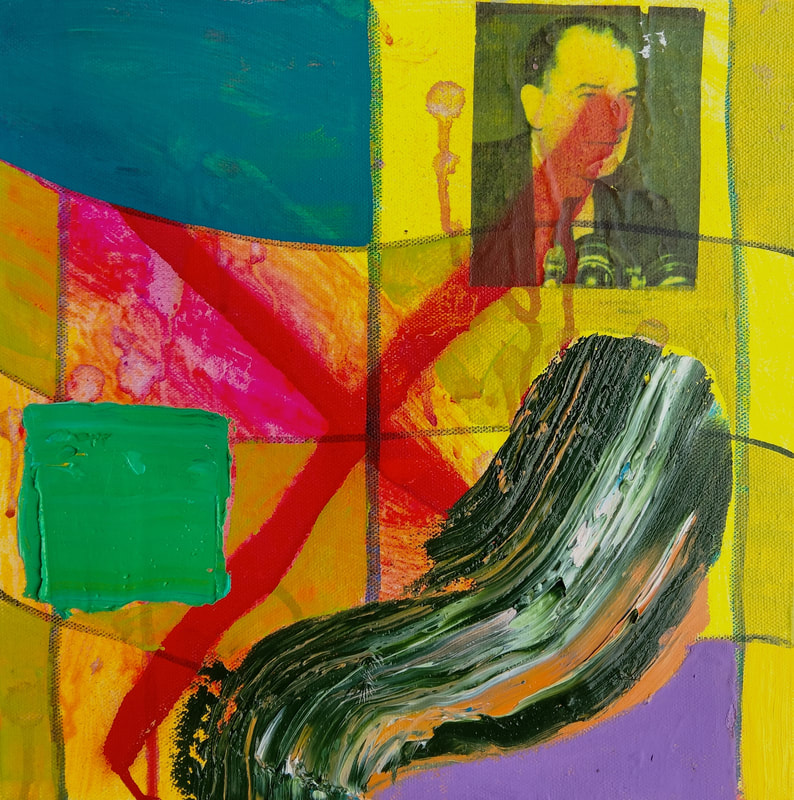
WITCH!. 2024. oil, acrylic, spray paint, photo-transfer on canvas. 12 x 12 inches
|
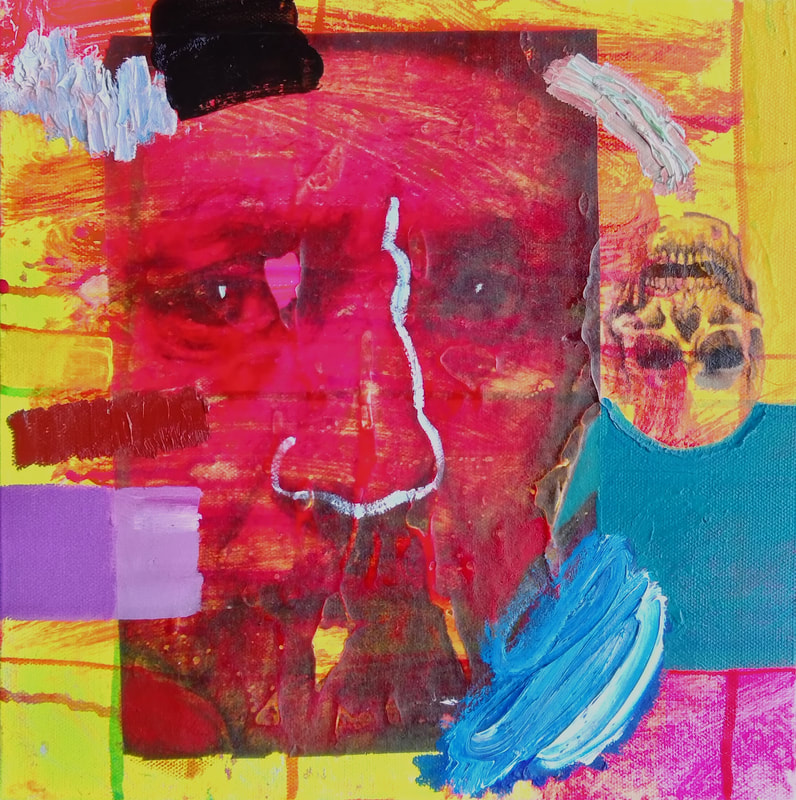
Momento. 2024. oil, acrylic, photo-transfer on canvas. 12 x 12 inches
|
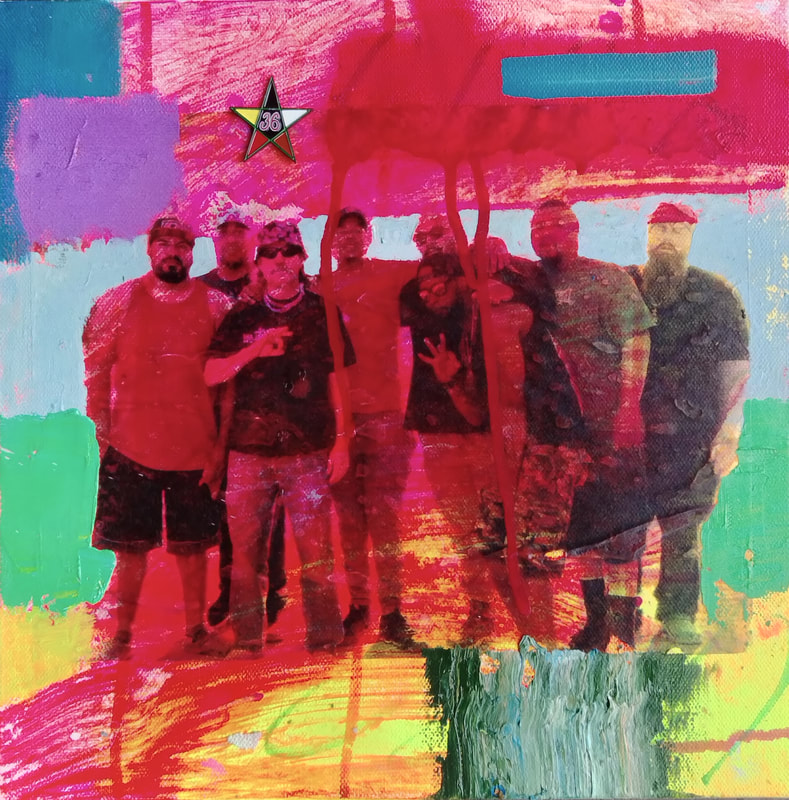
Ride On!. 2024. oil, acrylic, spray paint, photo-transfer on canvas. 12 x 12 inches
|
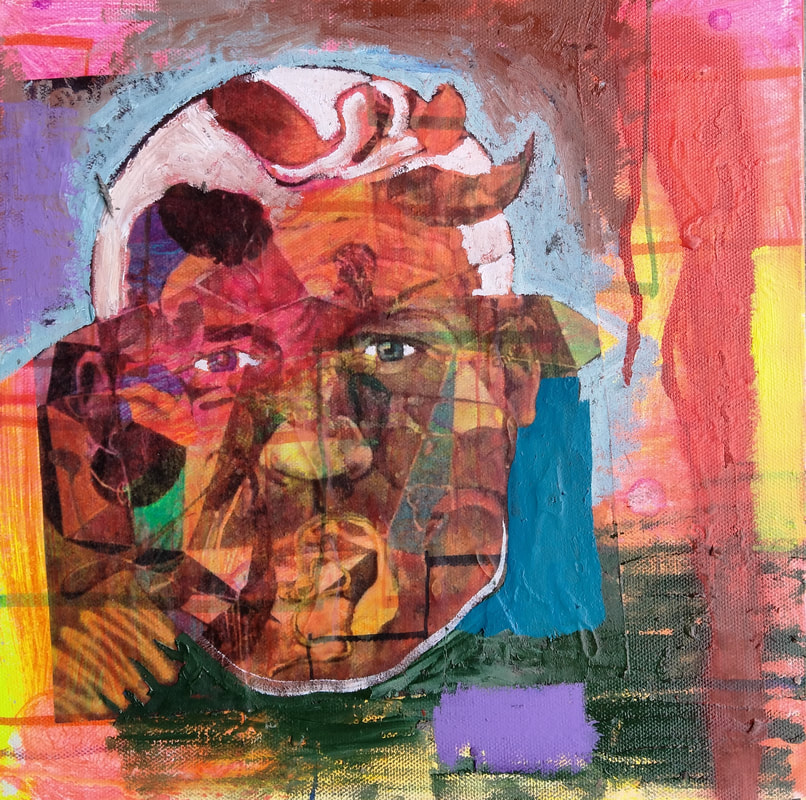
Just me again. 2024. oil, acrylic, spray paint, photo-transfer on canvas. 12 x 12 inches
|
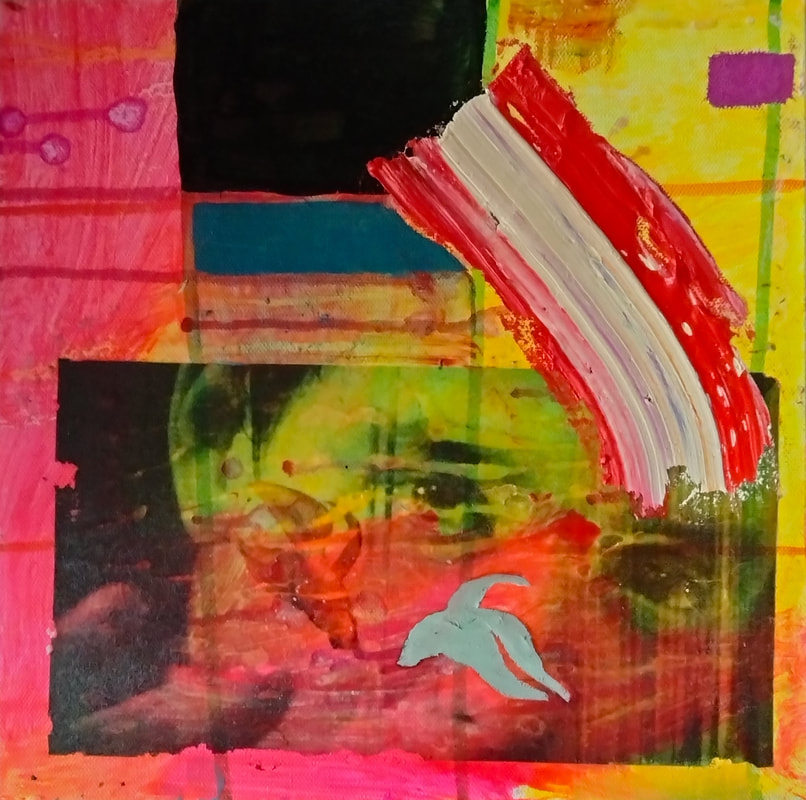
Mirror. 2024. oil, acrylic, spray paint, photo-transfer on canvas. 12 x 12 inches
|
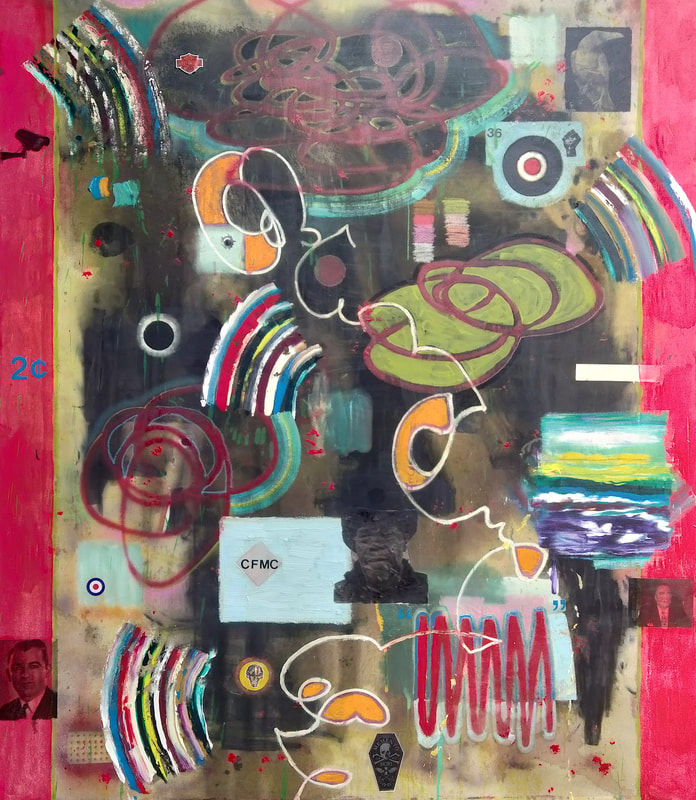
Parallax #29. 2023. oil, acrylic, spray paint, motor oil, wine, hair dye, stickers, photo transfer on canvas. 69 x 60 inches.
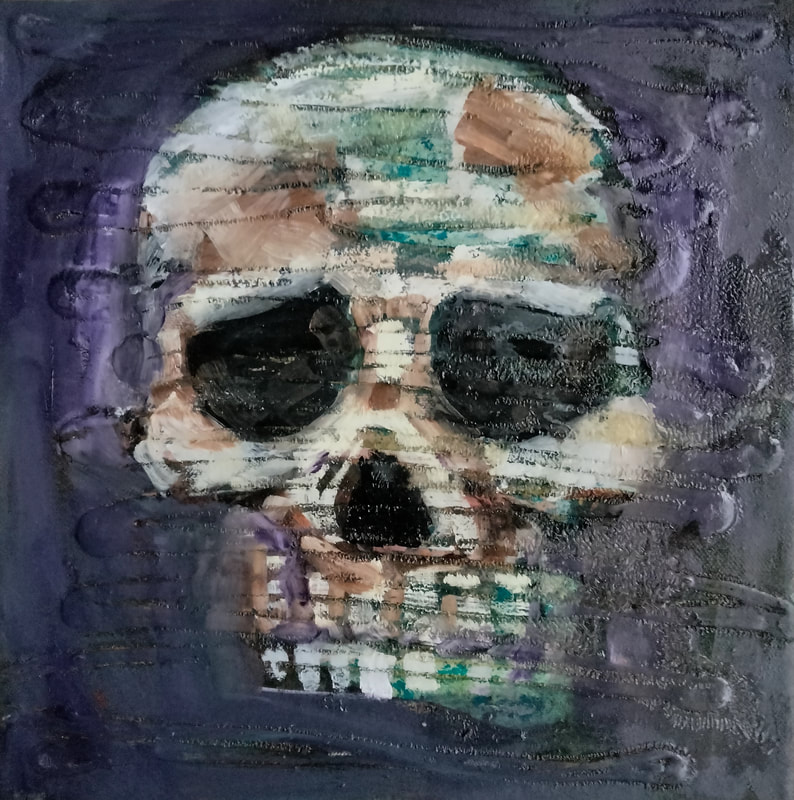
Mori. 2024. oil, acrylic, spray paint, photo-transfer on canvas. 12 x 12 inches
|
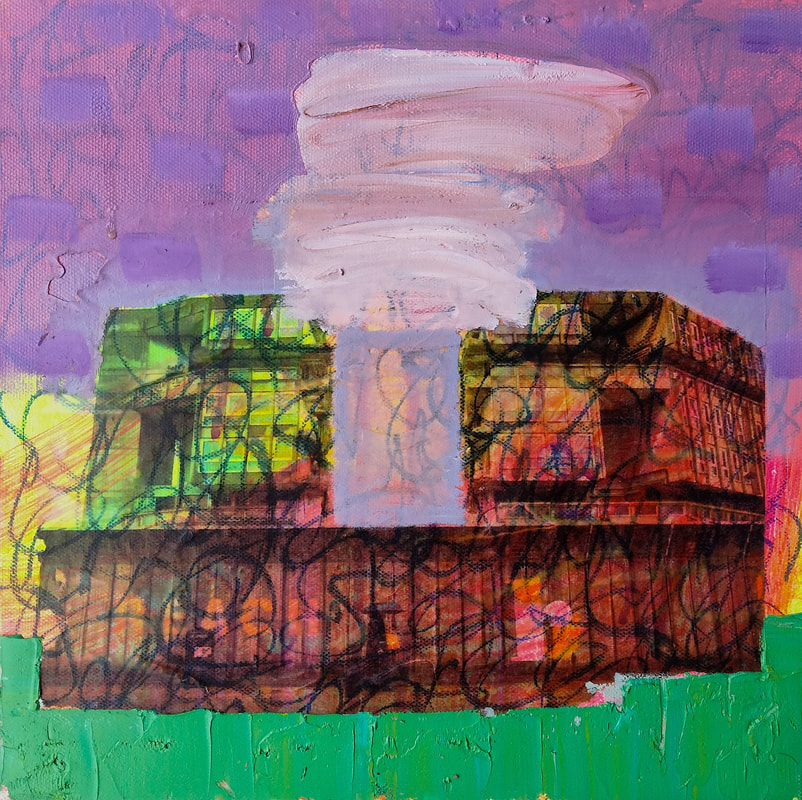
DoYourBird. 2024. oil, acrylic, spray paint, photo-transfer on canvas. 12 x 12 inches
|
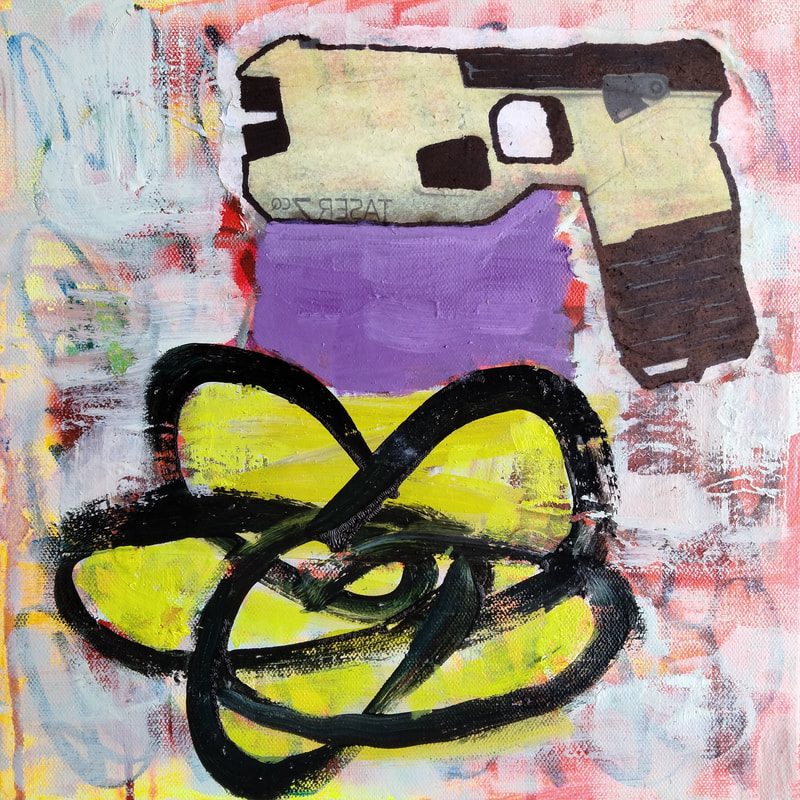
Stunflower. 2024. oil, acrylic, spray paint, photo-transfer on canvas. 12 x 12 inches
|
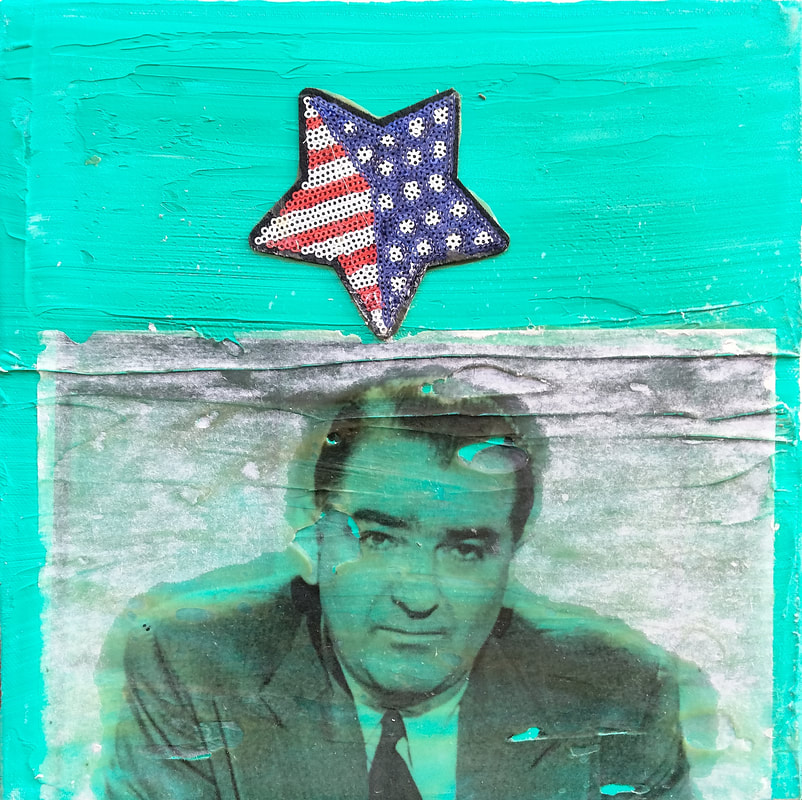
|
|
|
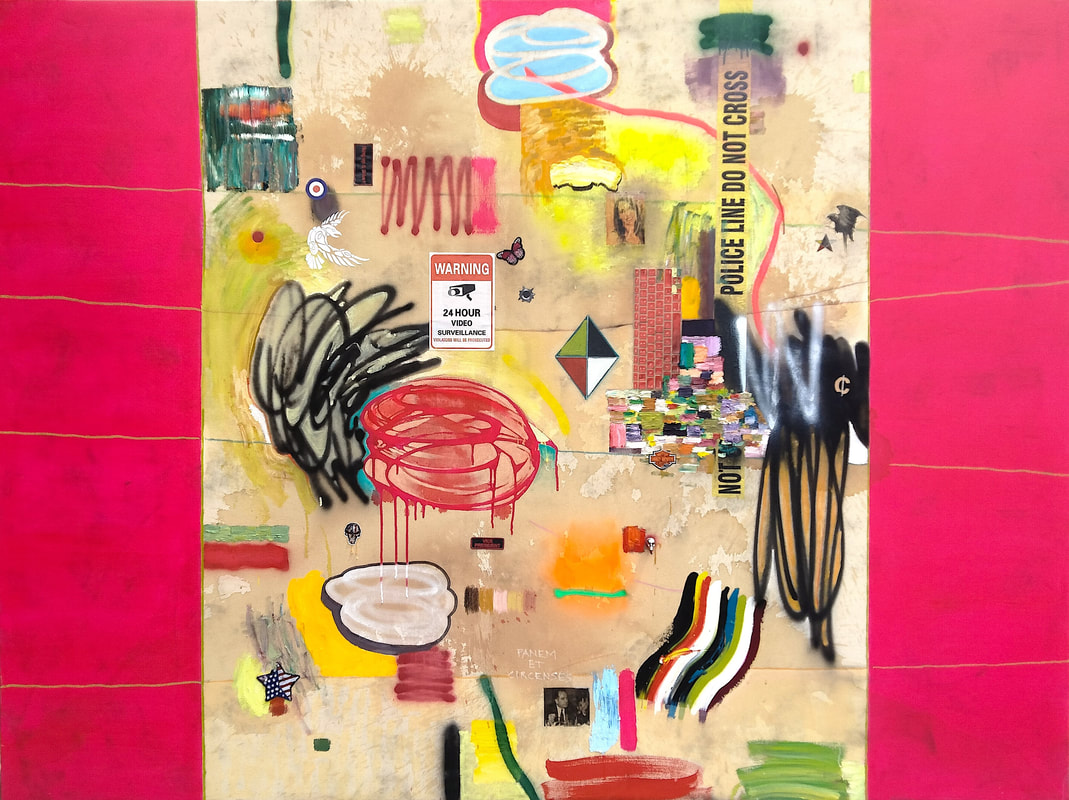
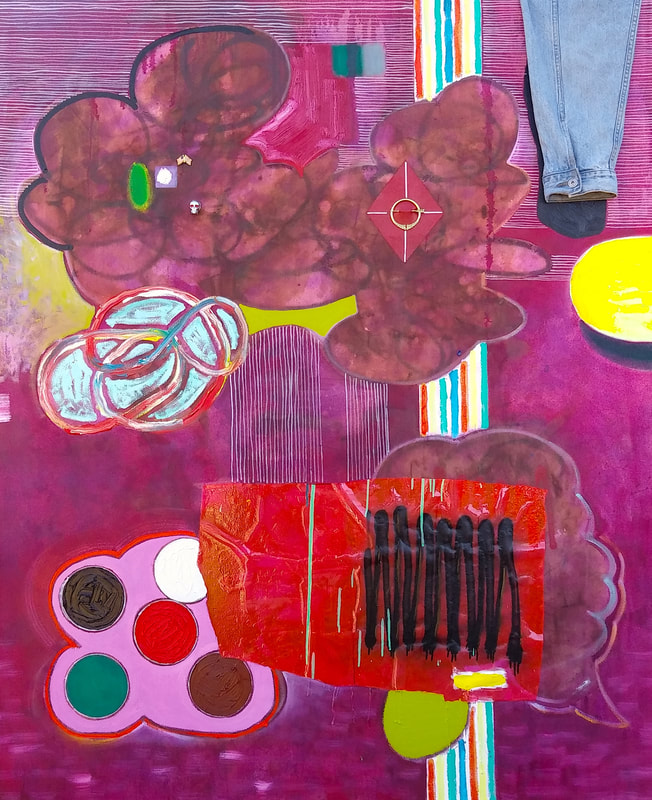
MiT#132 (Panem et Circenses - magenta). 2023. oil, acrylic, spray paint, tea, coffee, wine, motor oil, rubber, marker pen, patch, sticker, photo transfer,, plastic tape, metal ornament skull, on canvas. 72 x 96 inches
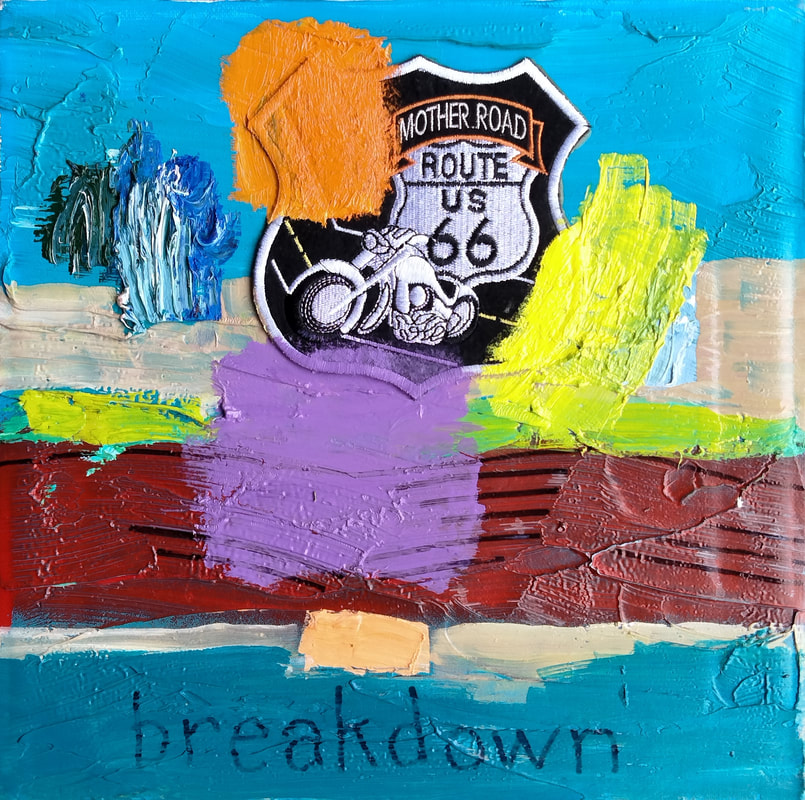
Team Spirit. 2024. oil, acrylic, spray paint, patch on canvas. 12 x 12 inches
|
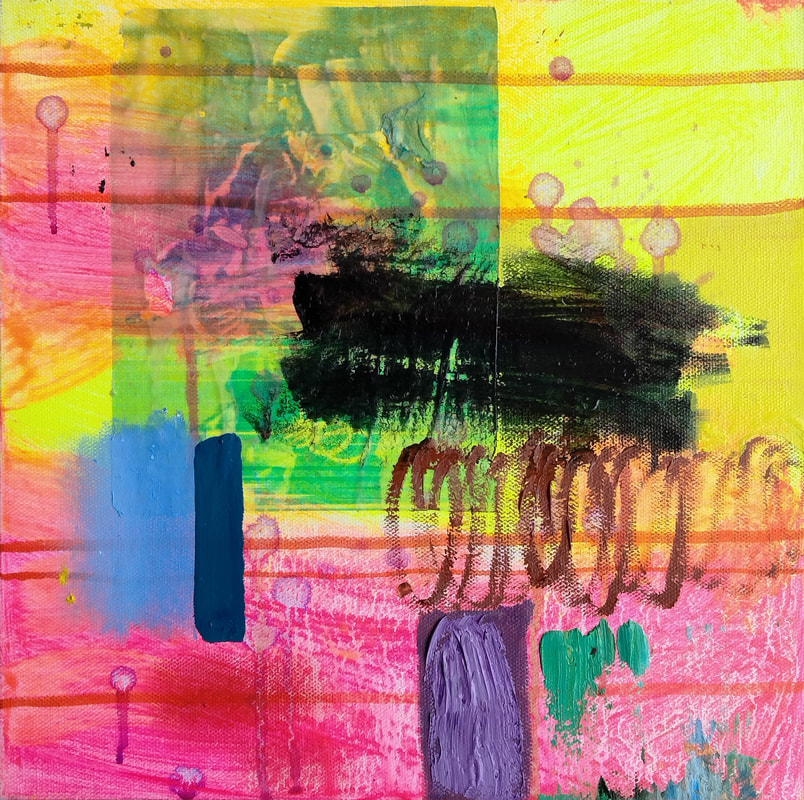
Hooligan. 2024. oil, acrylic, spray paint, photo-transfer on canvas. 12 x 12 inches
|
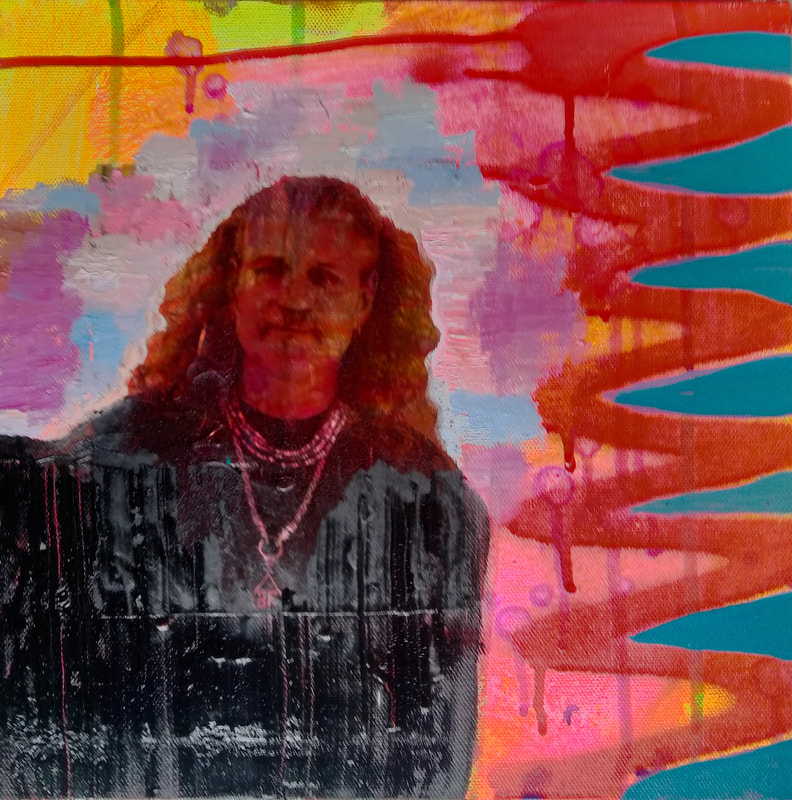
Back Again. 2024. oil, acrylic, spray paint, photo-transfer on canvas. 12 x 12 inches
|
|
|
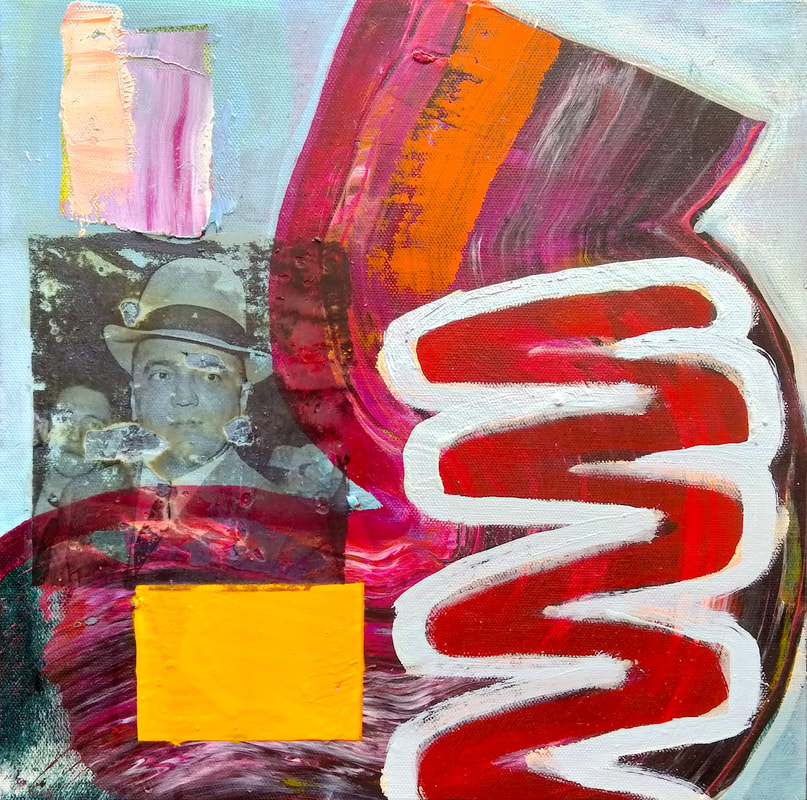
|
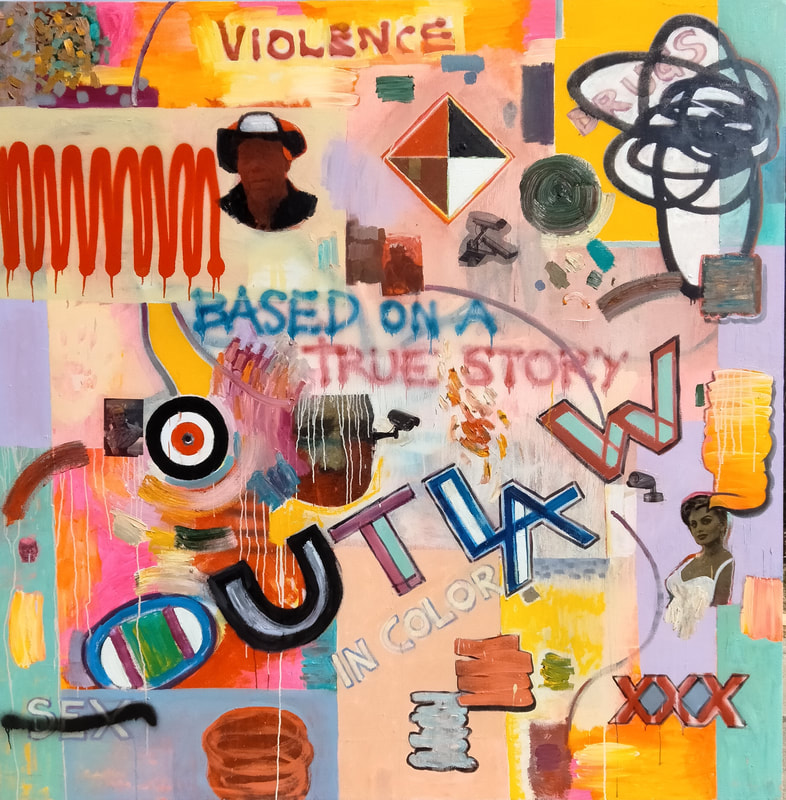
Parallax#12. 2022. oil, photo transfer, spray paint, plastic tape. 72 x 72 inches
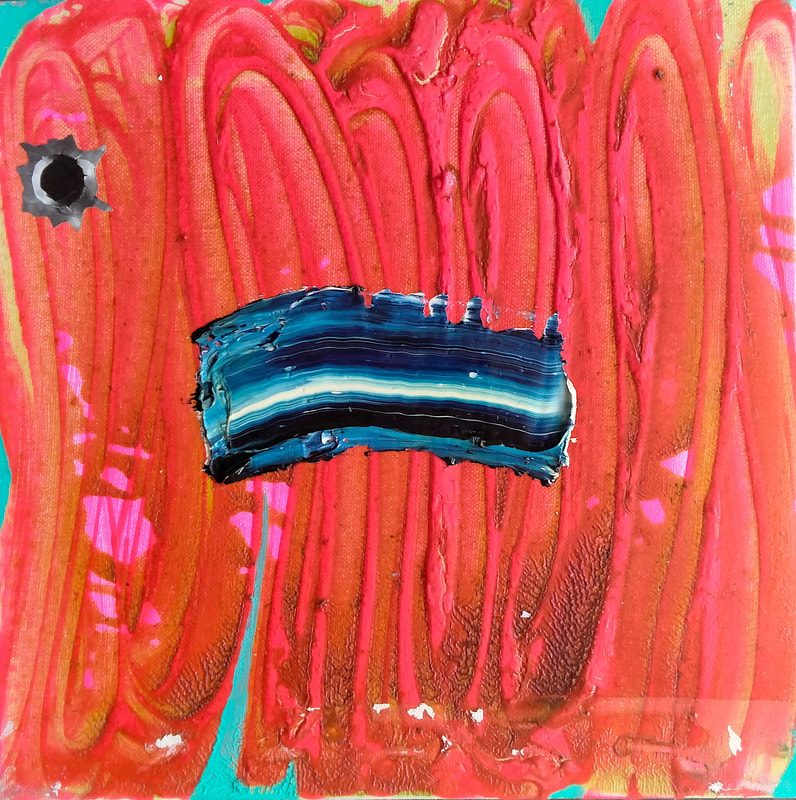
|
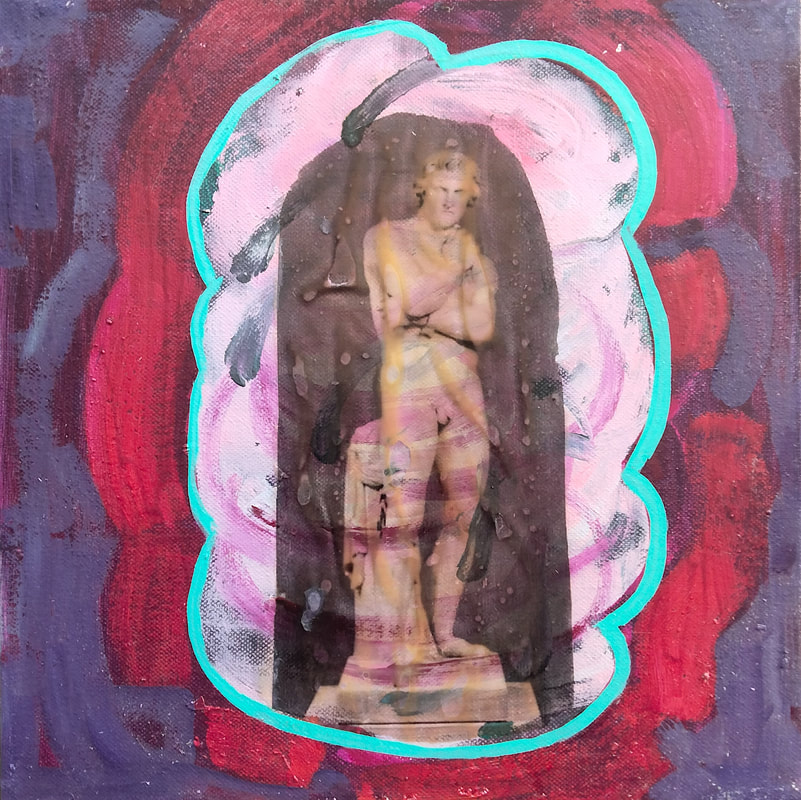
|
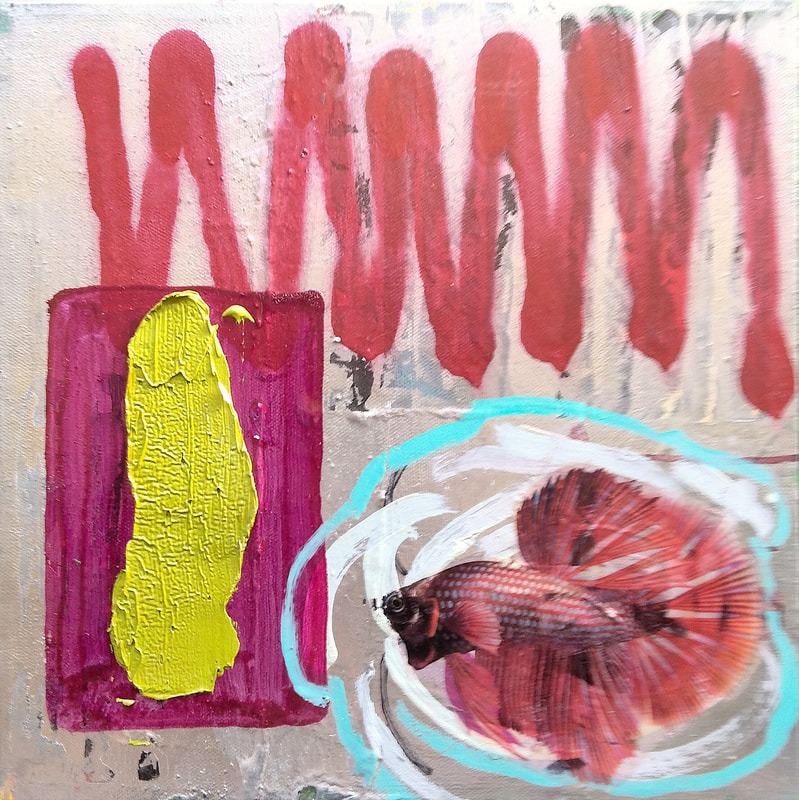
|
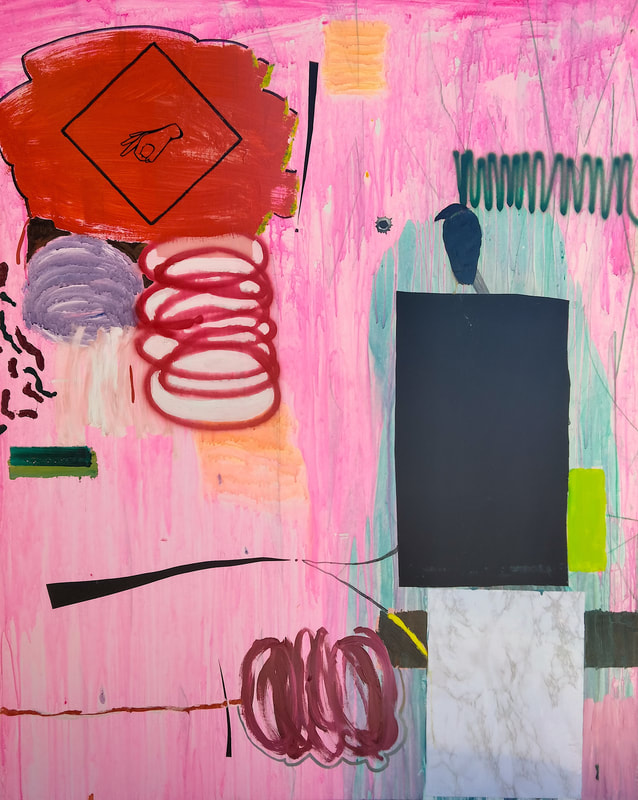
Parallax #13. 2022. oil, acrylic, spray paint, stickers, faux leather, faux marble, marker, photo transfer on canvas over panel. 60 x 48 inches
|
|
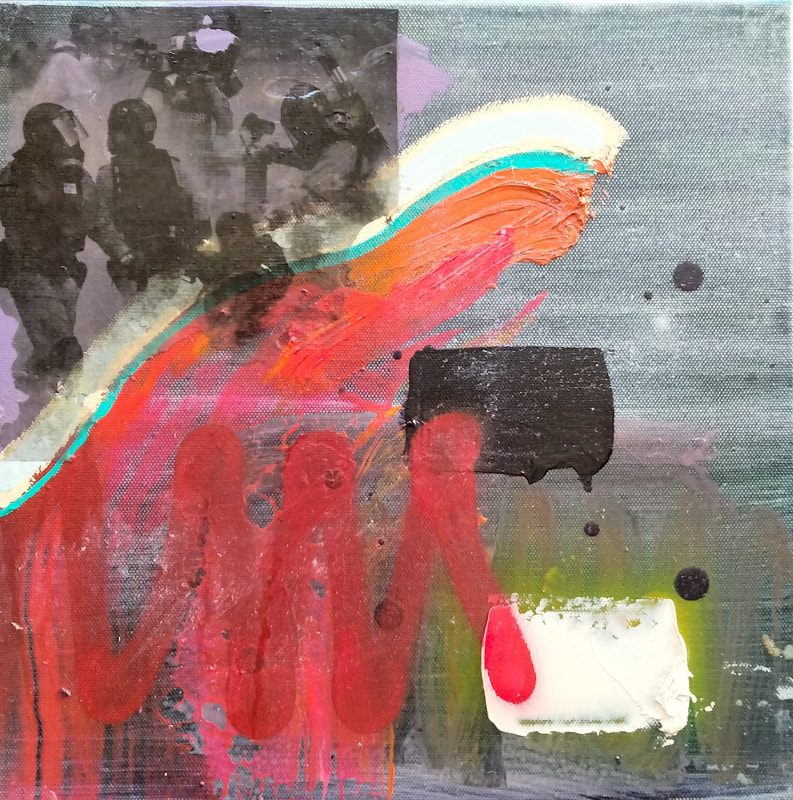
|
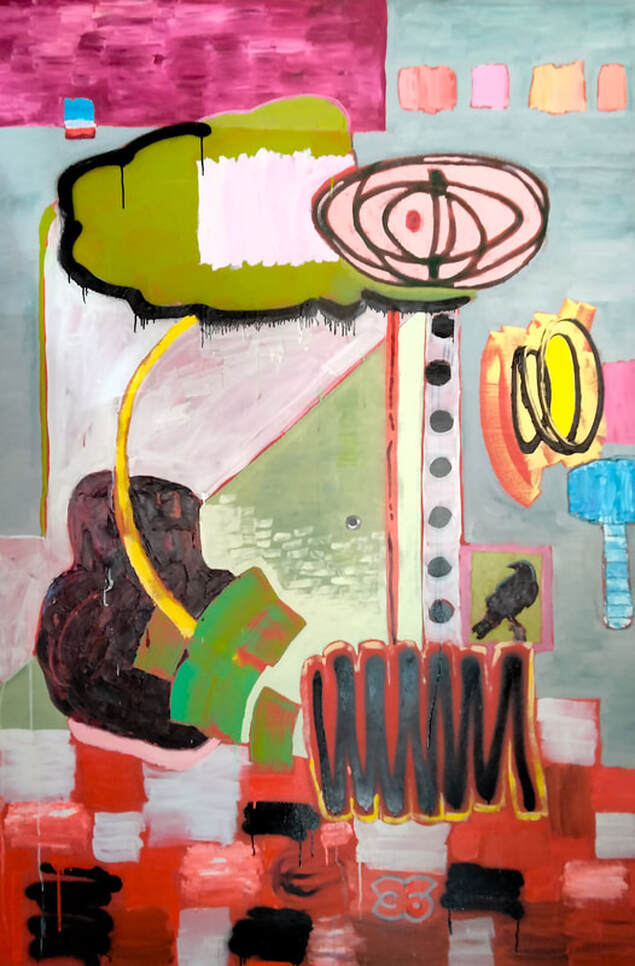
Parallax #14. 2022. oil, acrylic, spray paint, photo transfer, sticker, on canvas over panel. 60 x 48 inches
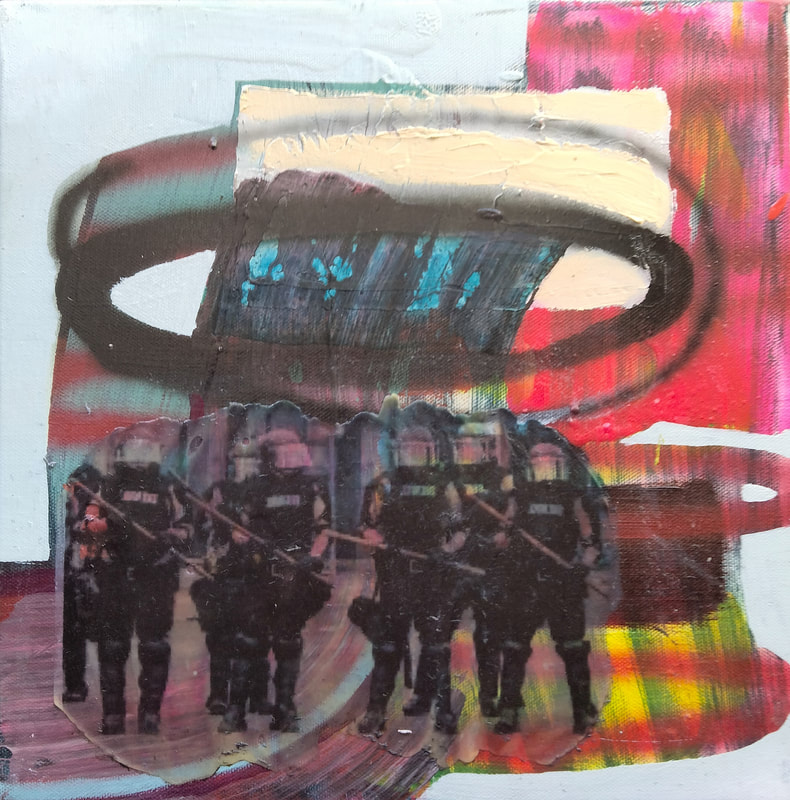
|
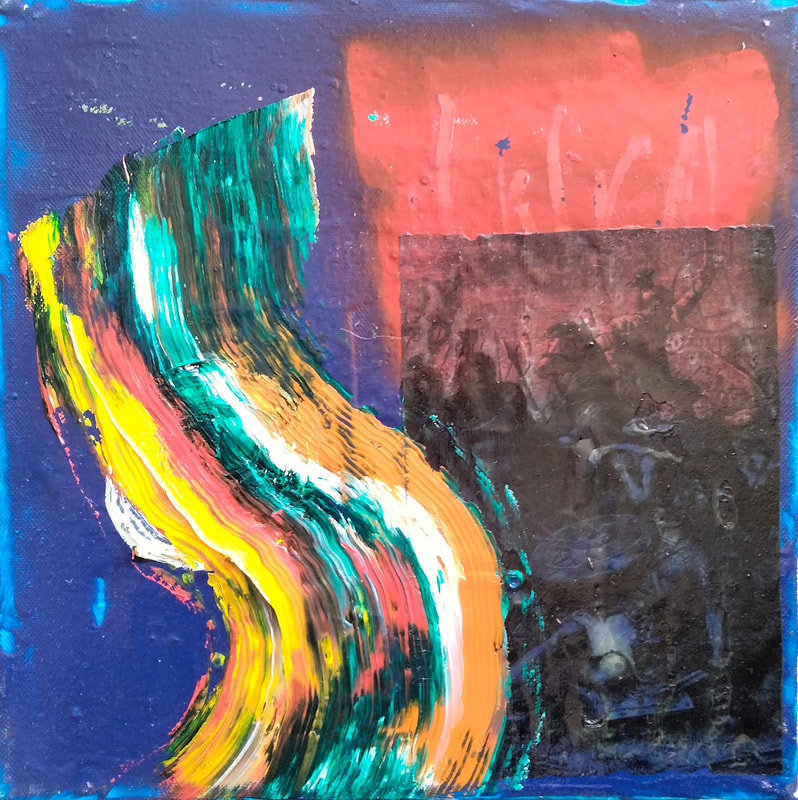
|
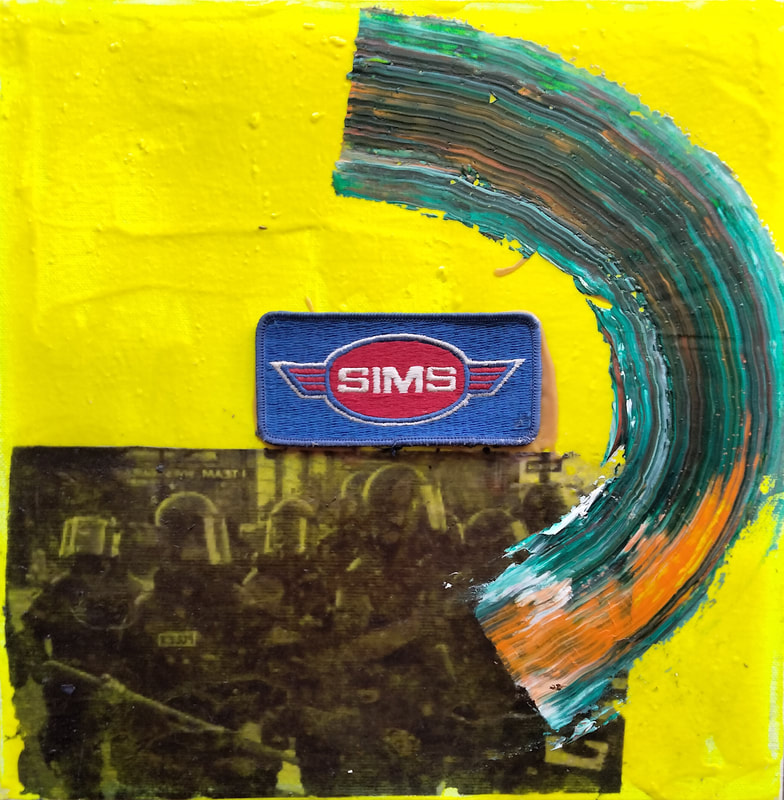
|
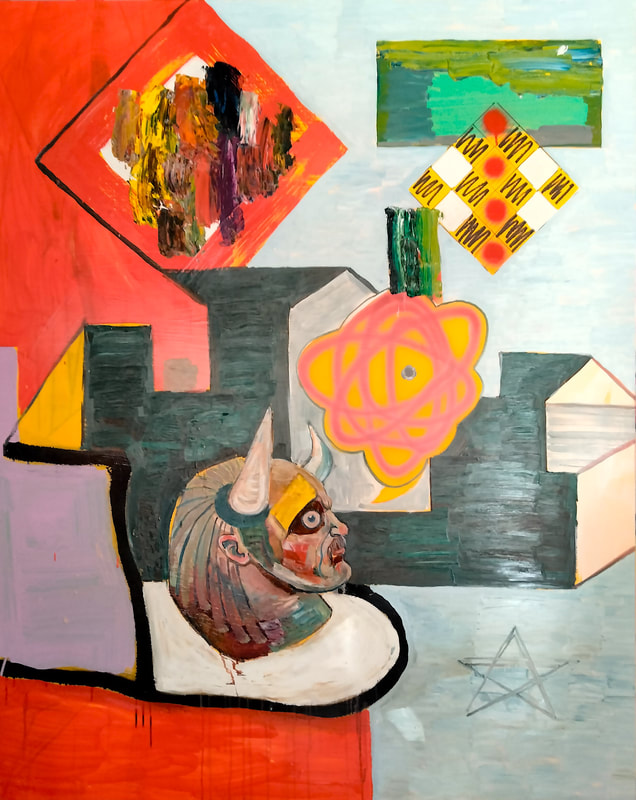
Parallax #15. 2022. oil, acrylic, spray paint, sticker, on canvas over panel. 60 x 48 inches
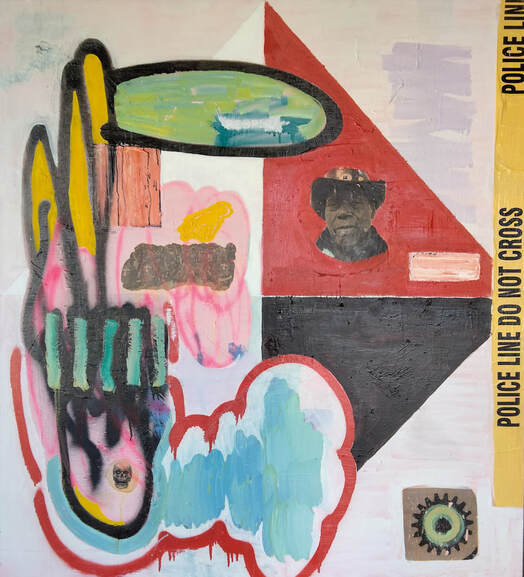
Parallax #25. 2023. oil, spray paint, photo transfer, plastic tape on canvas
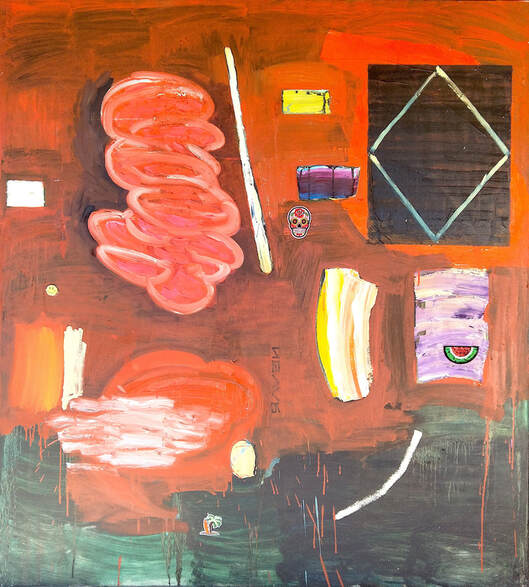
Parallax #24. 2023. oil, patches on canvas. 52 x 48 inches
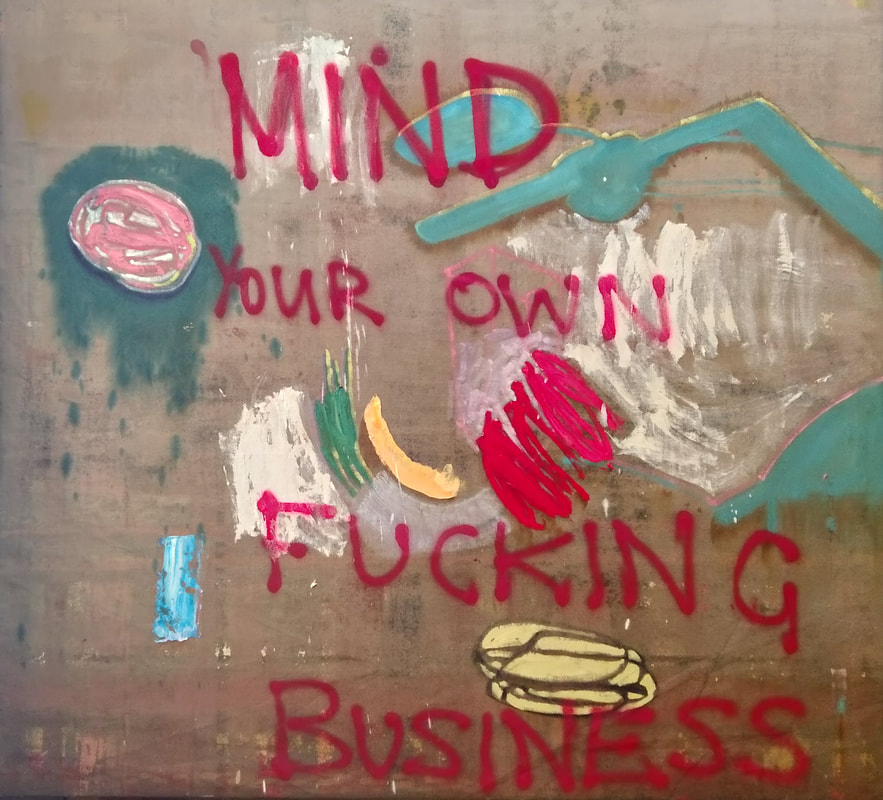
Parallax #26. 2023. Engine oil, oil, spray paint on canvas. 60 x 72 inches
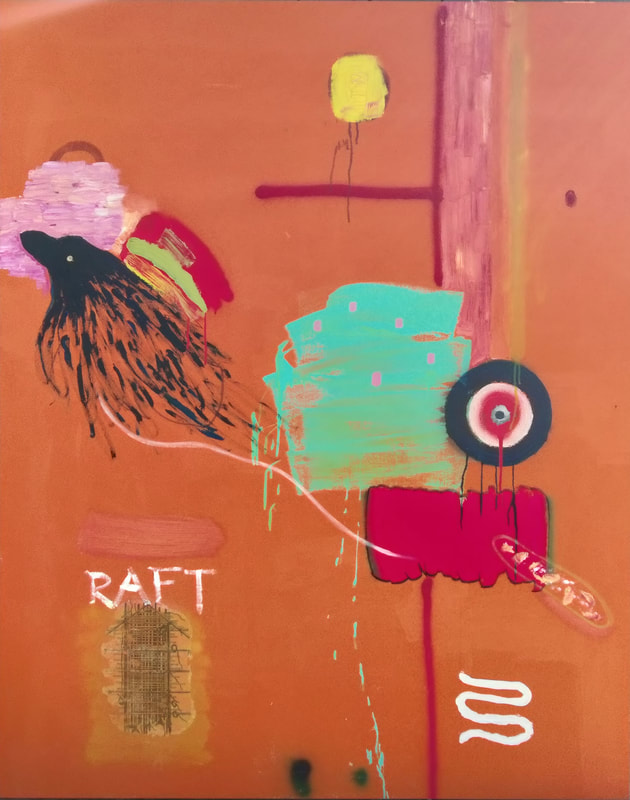
Parallax #16. 2022. oil, acrylic, spray paint, photo transfer, sticker on canvas over panel. 60 x 48 inches
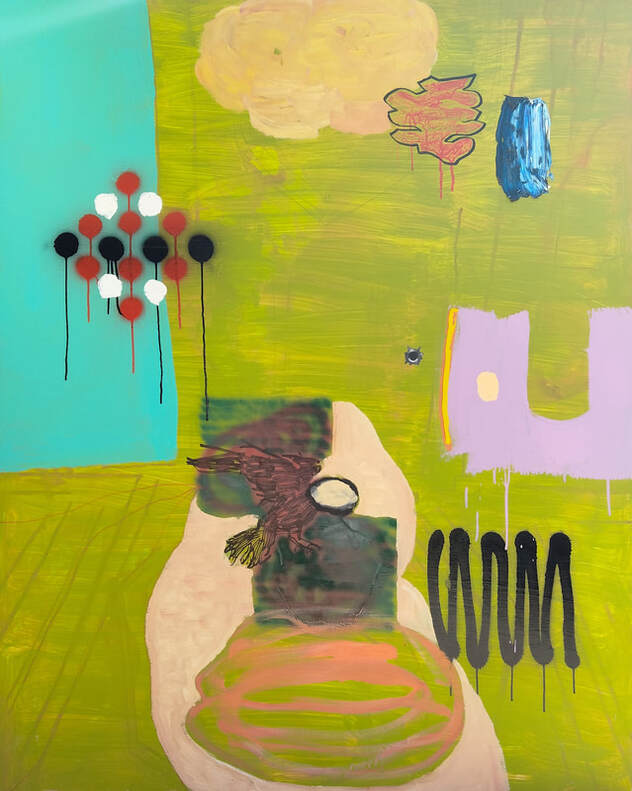
Parallax #17. 2022. oil, acrylic, spray paint, marker, sticker, on canvas over panel. 60 x 48 inches
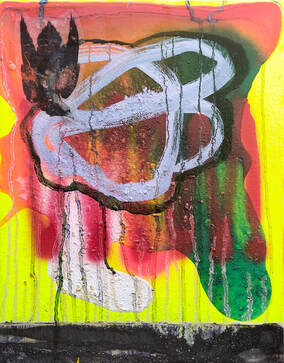
|
|
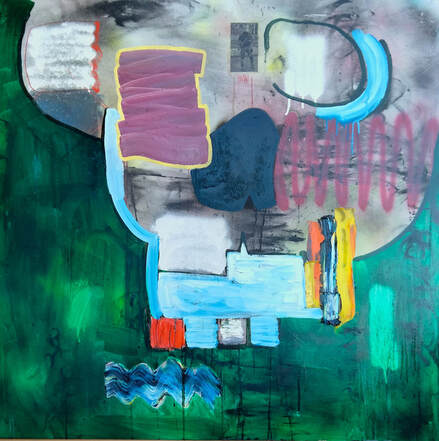
Parallax #18. 2020. ink, spray paint, oil, photo transfer. 36 x 36 inches
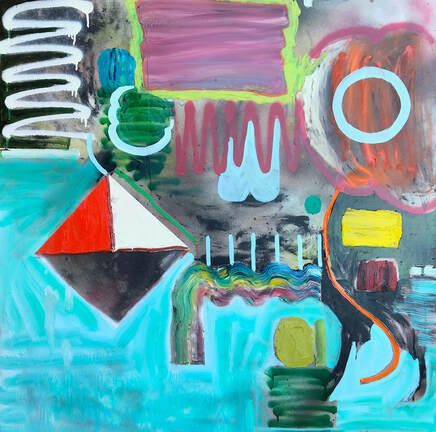
Parallax #19. 2020. ink, spray paint, oil, photo transfer. 36 x 36 inches
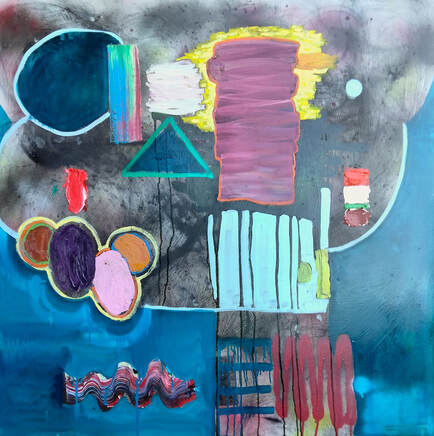
Parallax #20. 2020. ink, spray paint, oil, photo transfer. 36 x 36 inches
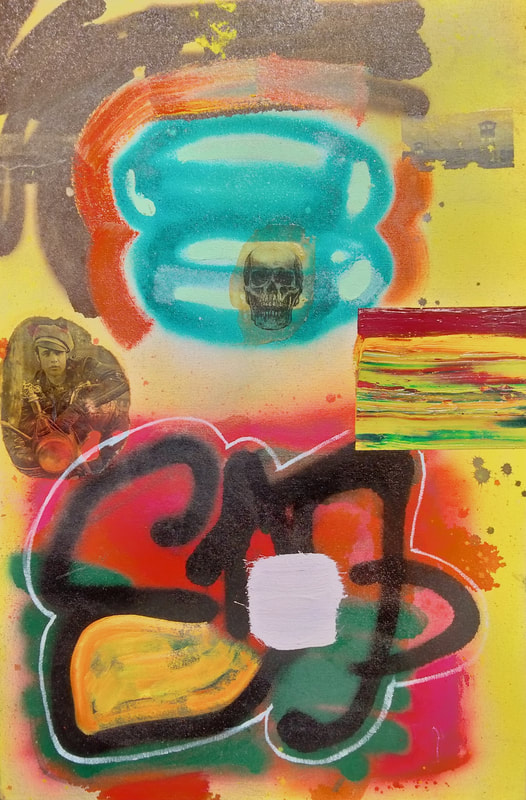
MiT#140. 2022. oil, spray paint, photo transfer on canvas over panel. 24 x 16 inches
|
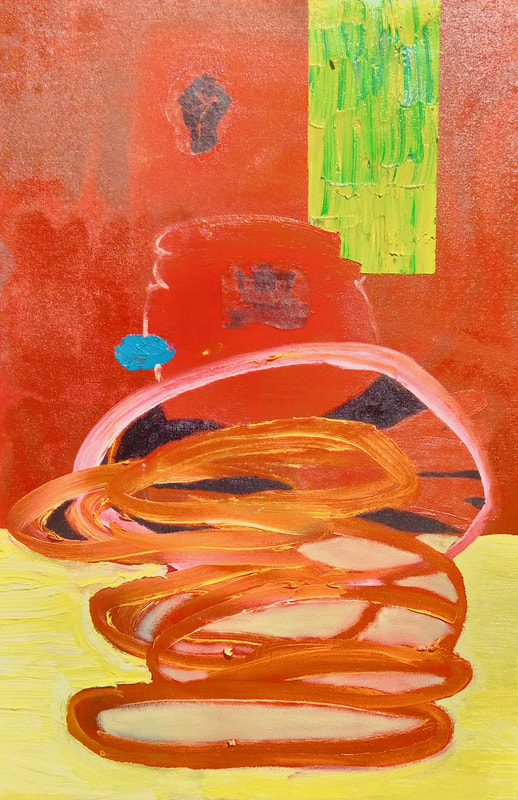
MiT#144. 2022. oil, spray paint, photo transfer on canvas over panel. 24 x 16 inches
|
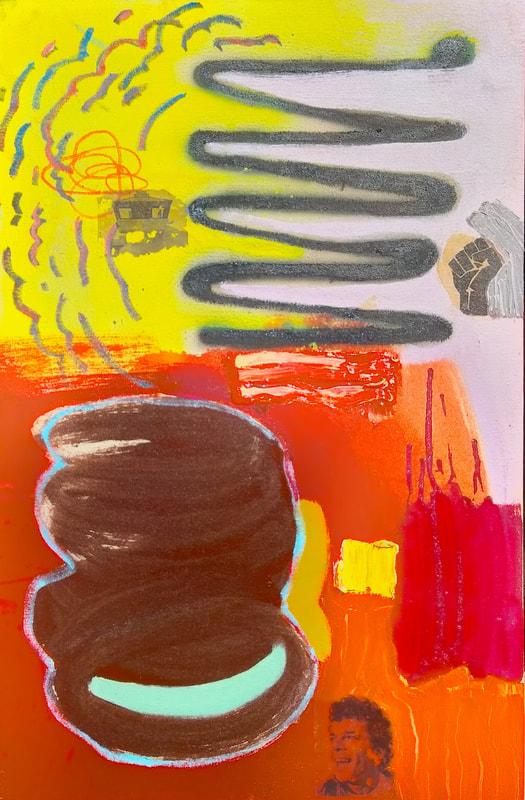
MiT#145. 2022. oil, spray paint, photo transfer on canvas over panel. 24 x 16 inches
|
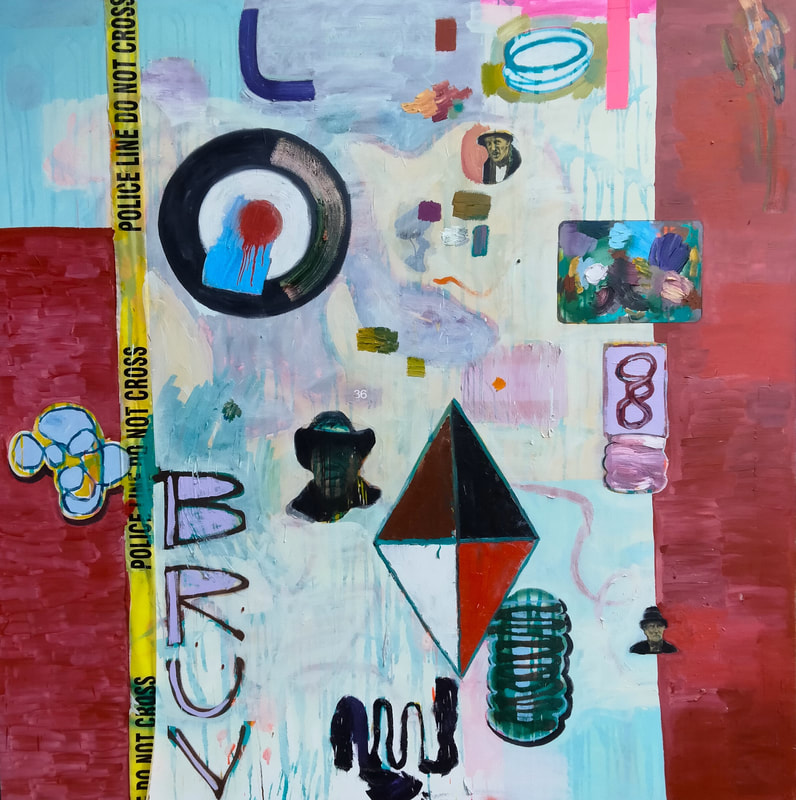
Parallax#11. 2022. oil, photo transfer, spray paint, plastic tape. 72 x 72 inches
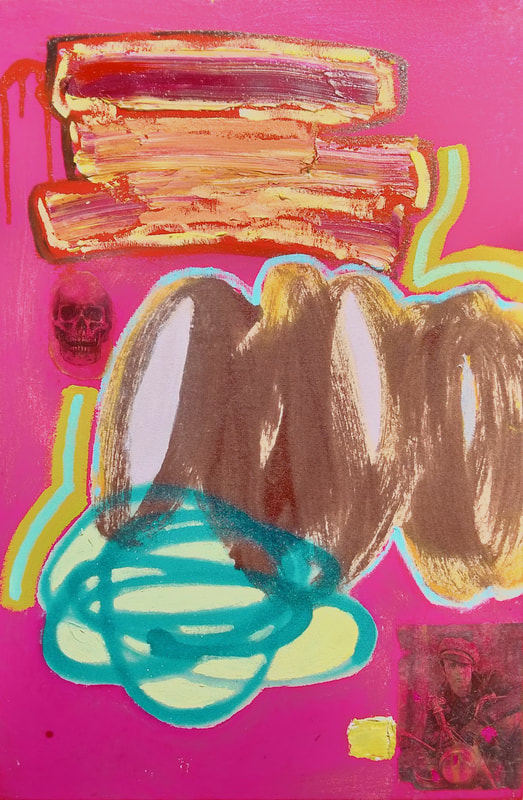
MiT#147. 2022. oil, spray paint, photo transfer, on canvas over panel. 24 x 16 inches
|
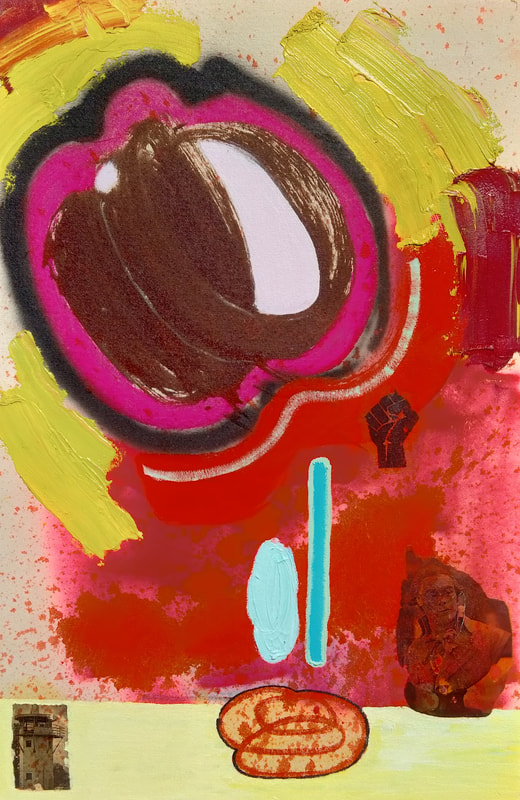
MiT#149. 2022. oil, spray paint, photo transfer, on canvas over panel. 24 x 16 inches
|
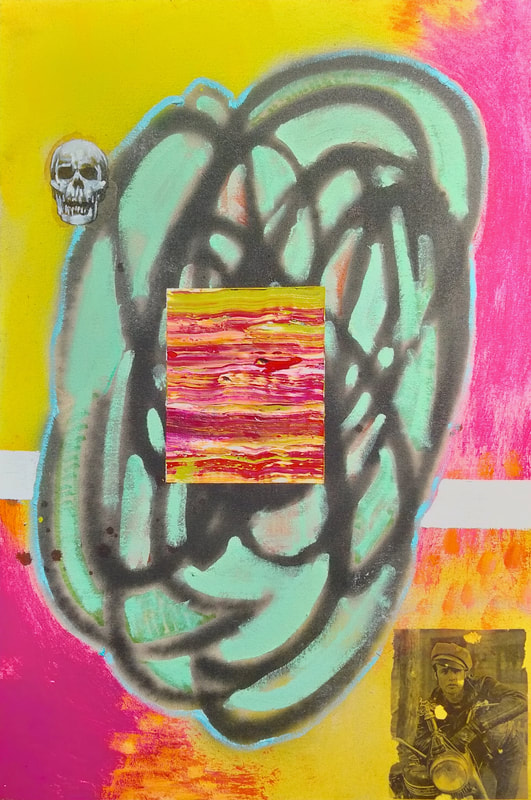
MiT#151. 2022. oil, spray paint, photo transfer, on canvas over panel. 24 x 16 inches
|
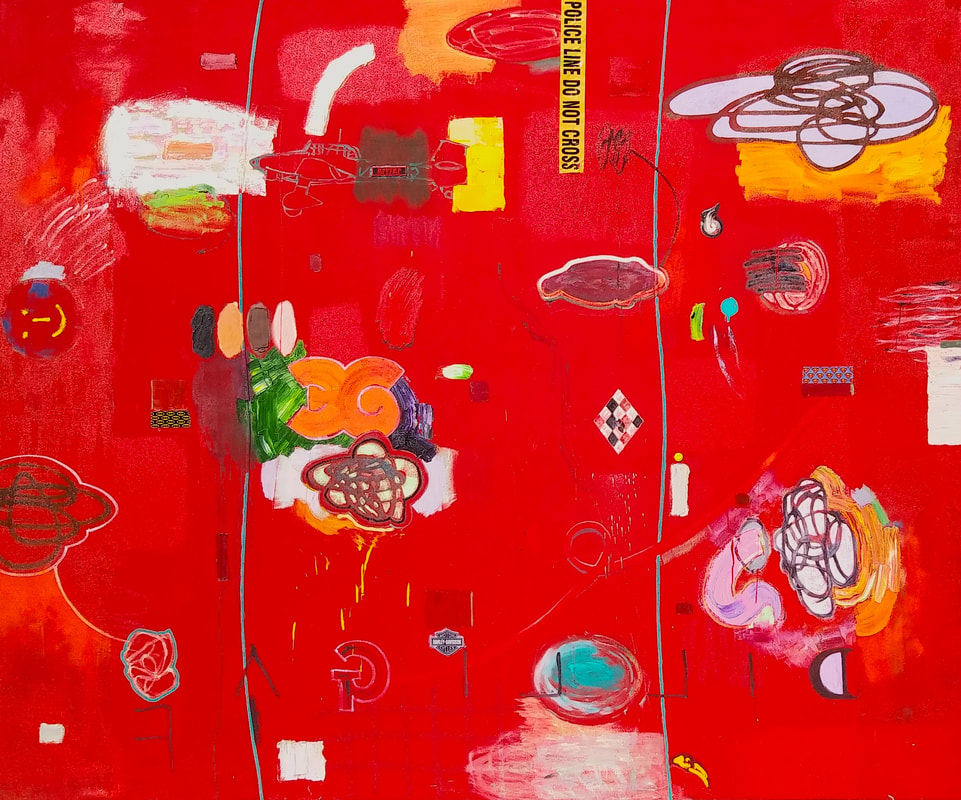
Parallax #4 (big red one). 2021. oil, acrylic, spray paint, plastic tape, sticker, metal ornament. 94 x 113 inches
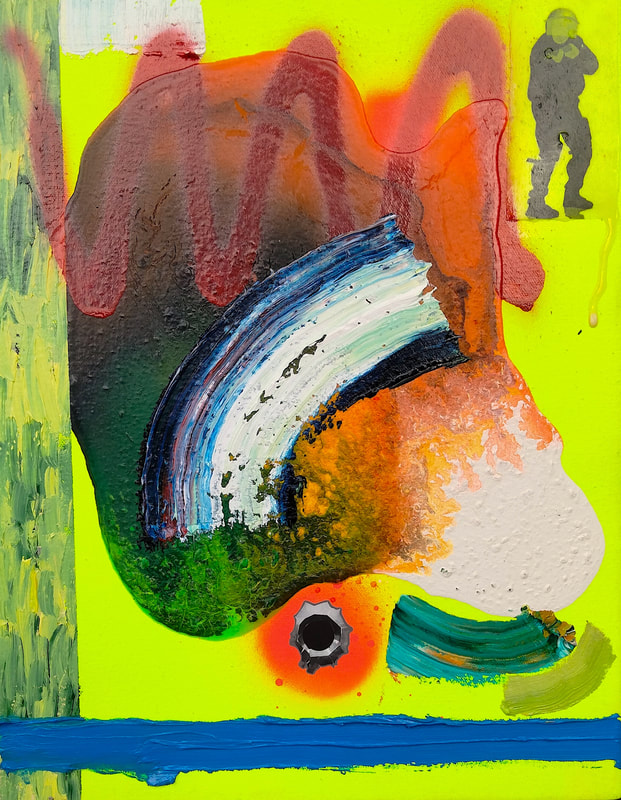
TwoBit. 2022. acrylic, oil, sticker, photo transfer. 14 x 11 inches
|
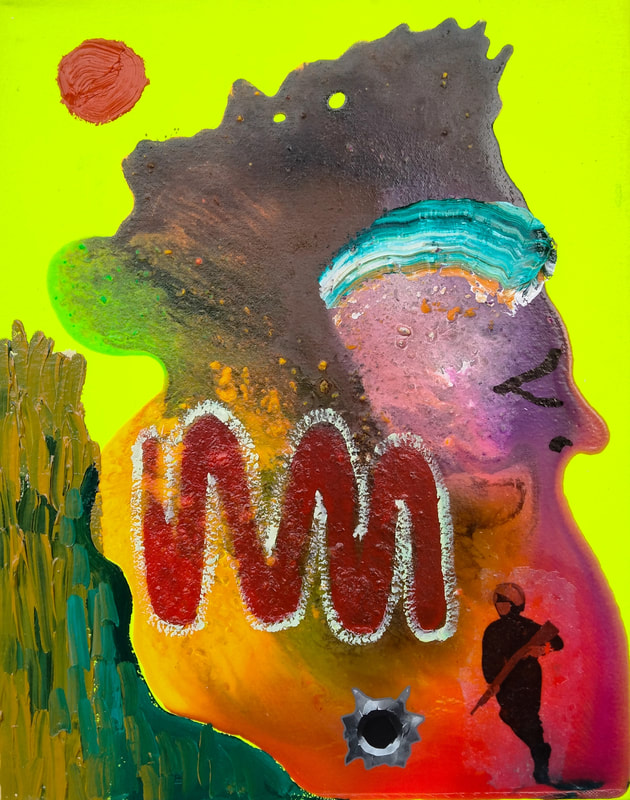
Dale. 2022. acrylic, oil, sticker, photo transfer. 14 x 11 inches
|
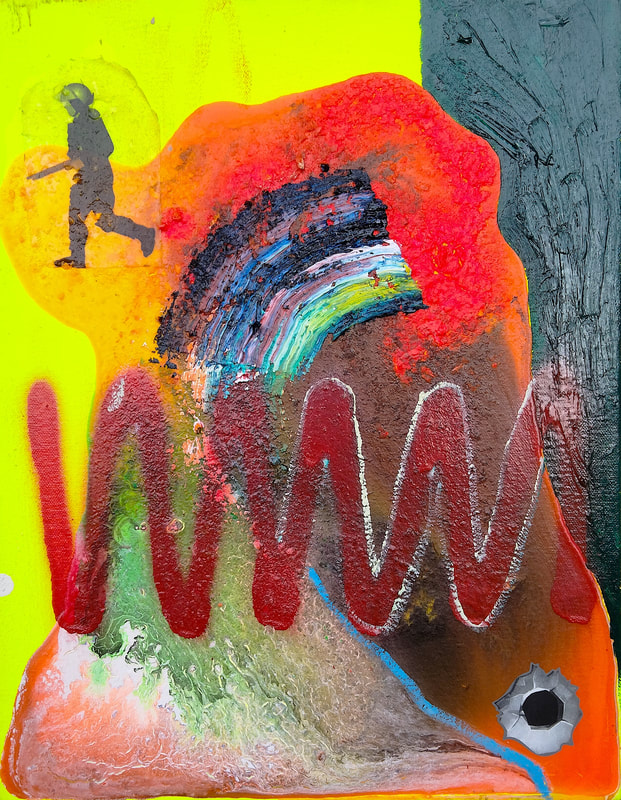
Darry. 2022. acrylic, oil, sticker, photo transfer. 14 x 11 inches
|
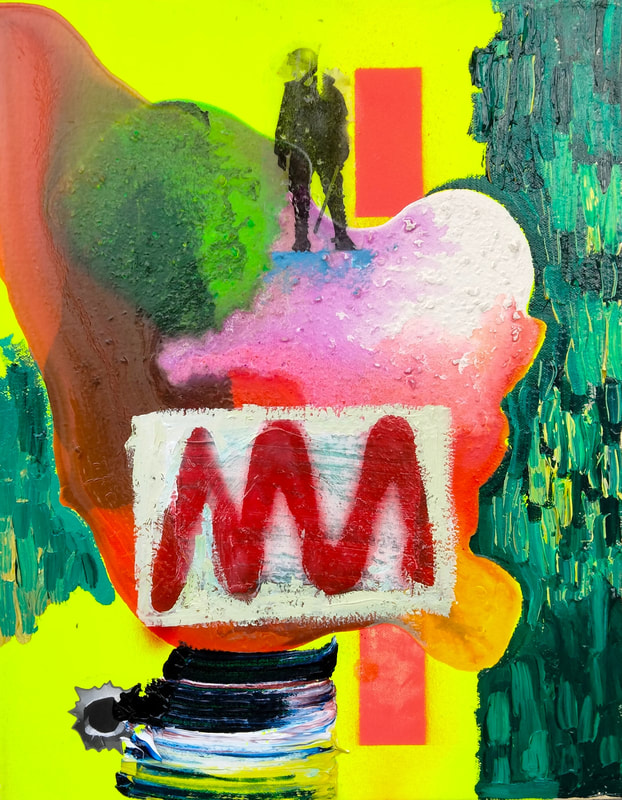
Sodapop. 2022. acrylic, oil, sticker, photo transfer. 14 x 11 inches
|
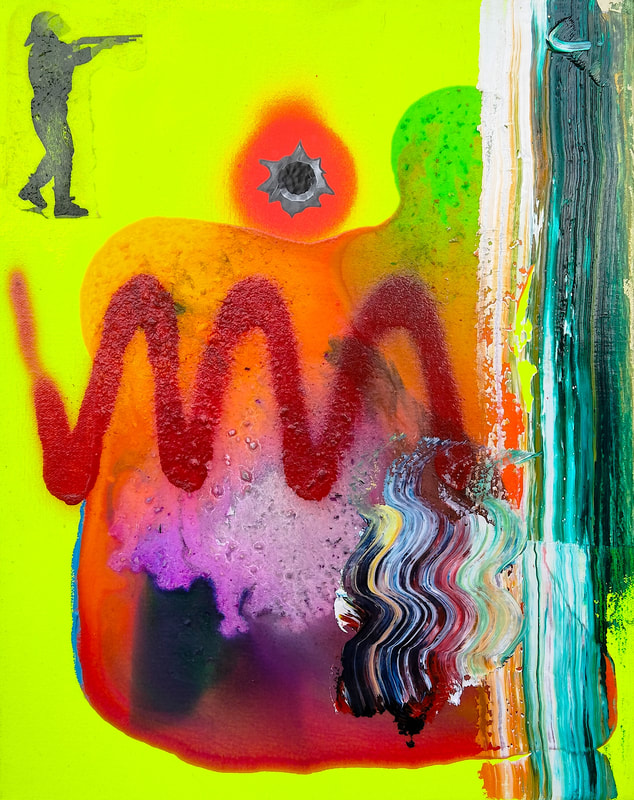
Ponyboy. 2022. acrylic, oil, sticker, photo transfer. 14 x 11 inches
|
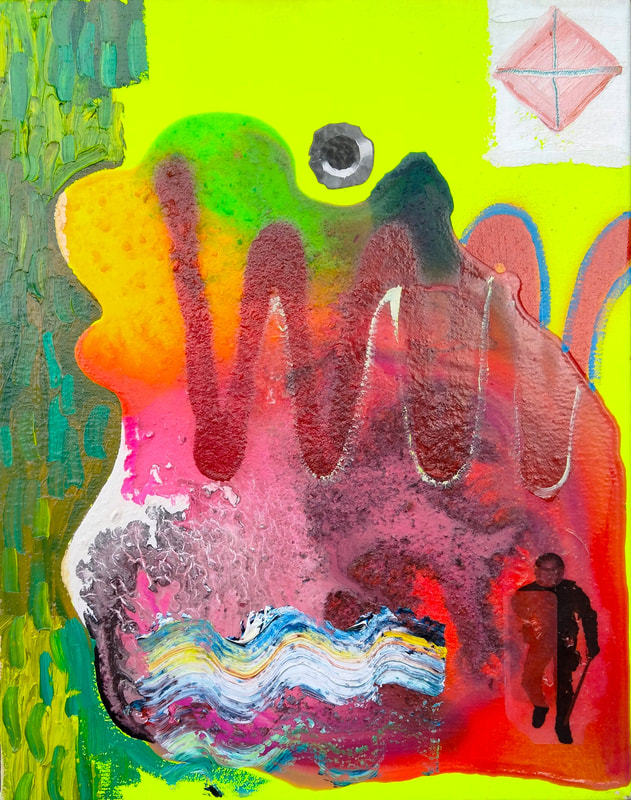
Johnny. 2022. acrylic, oil, sticker, photo transfer. 14 x 11 inches
|
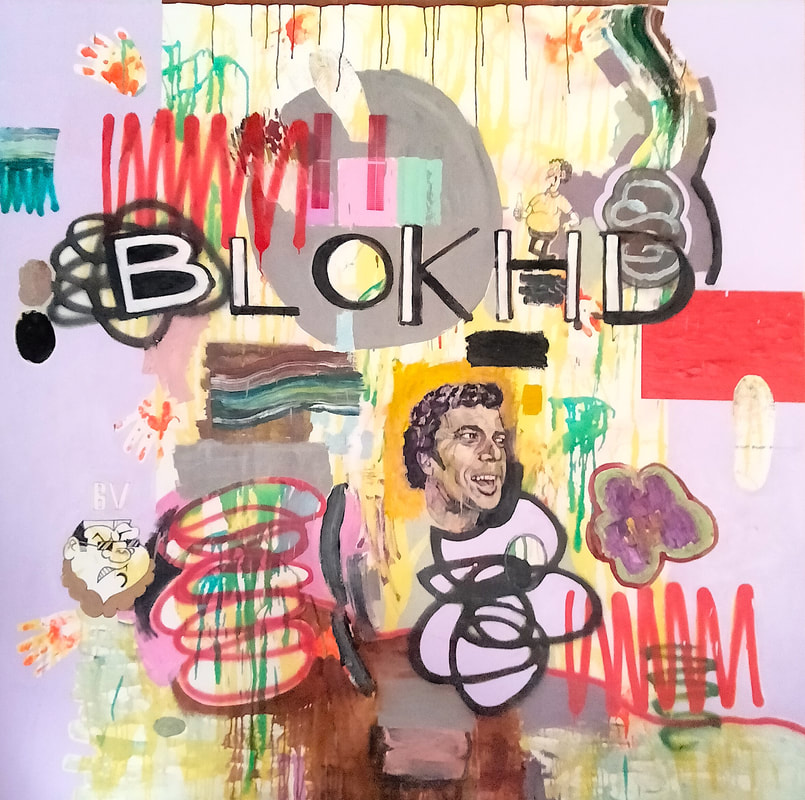
Parallax #8 (BLOKHD). 2022. oil, acrylic, spray paint on canvas over panel. 72 x 72 inches
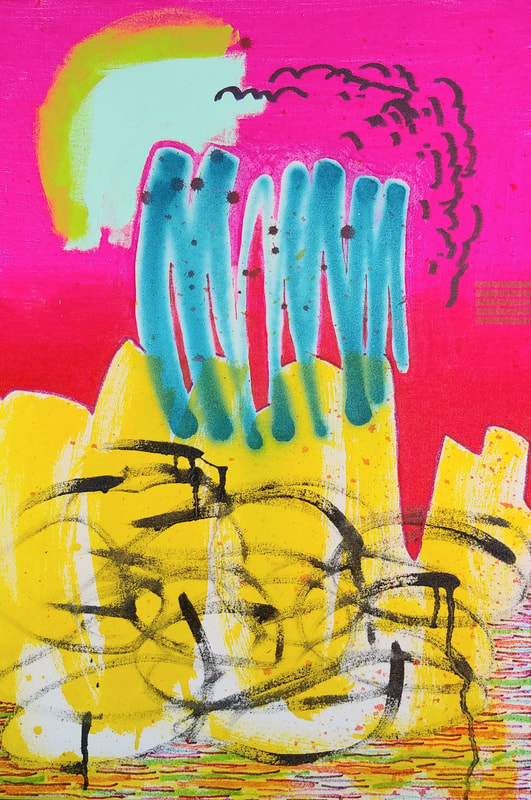
MiT#150. 2021. oil, spray paint, acrylic on canvas over panel. 24 x 16 inches
|
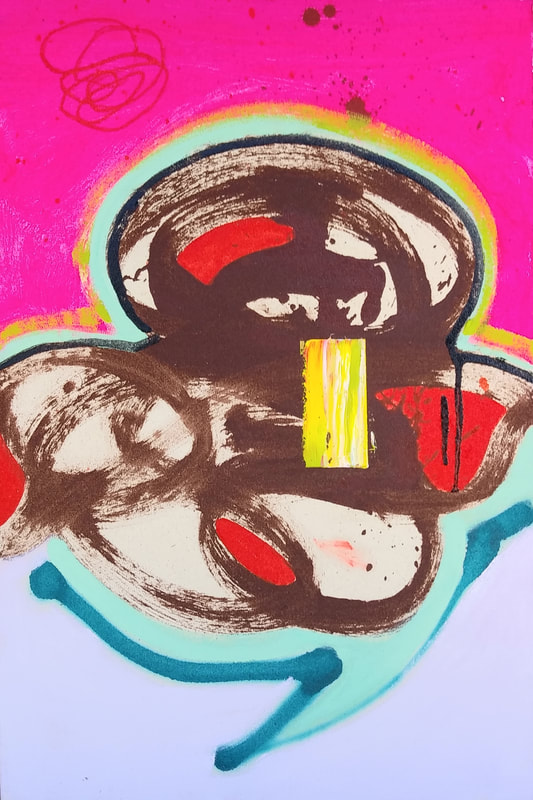
MiT#146. 2021. oil, spray paint, acrylic on canvas over panel. 24 x 16 inches
|
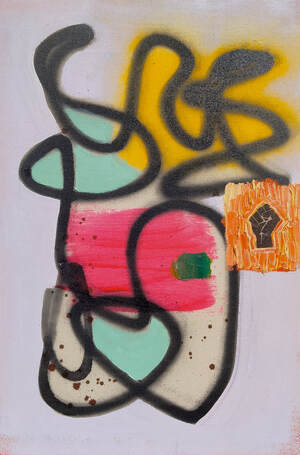
MiT#152. 2022. oil, spray paint, photo transfer, on canvas over panel. 24 x 16 inches
|
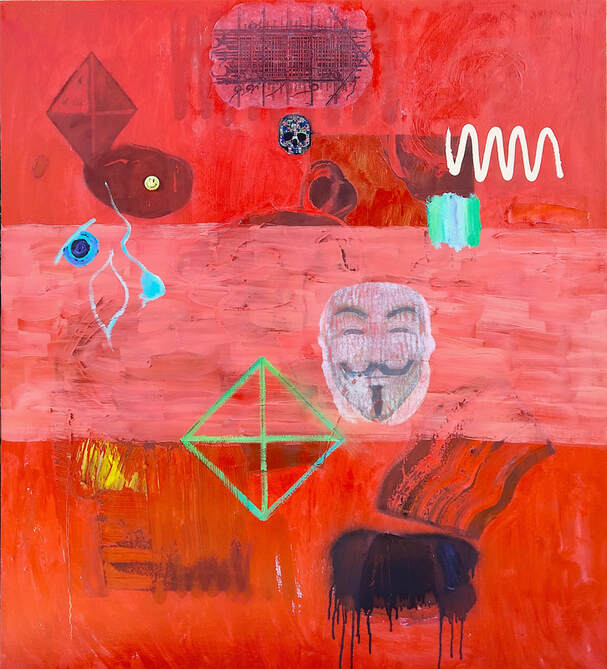
Parallax #10. 2022. oil, acrylic, motor oil, tea, photo transfer, enamel, patches, badge on canvas. 44 x 40 inches
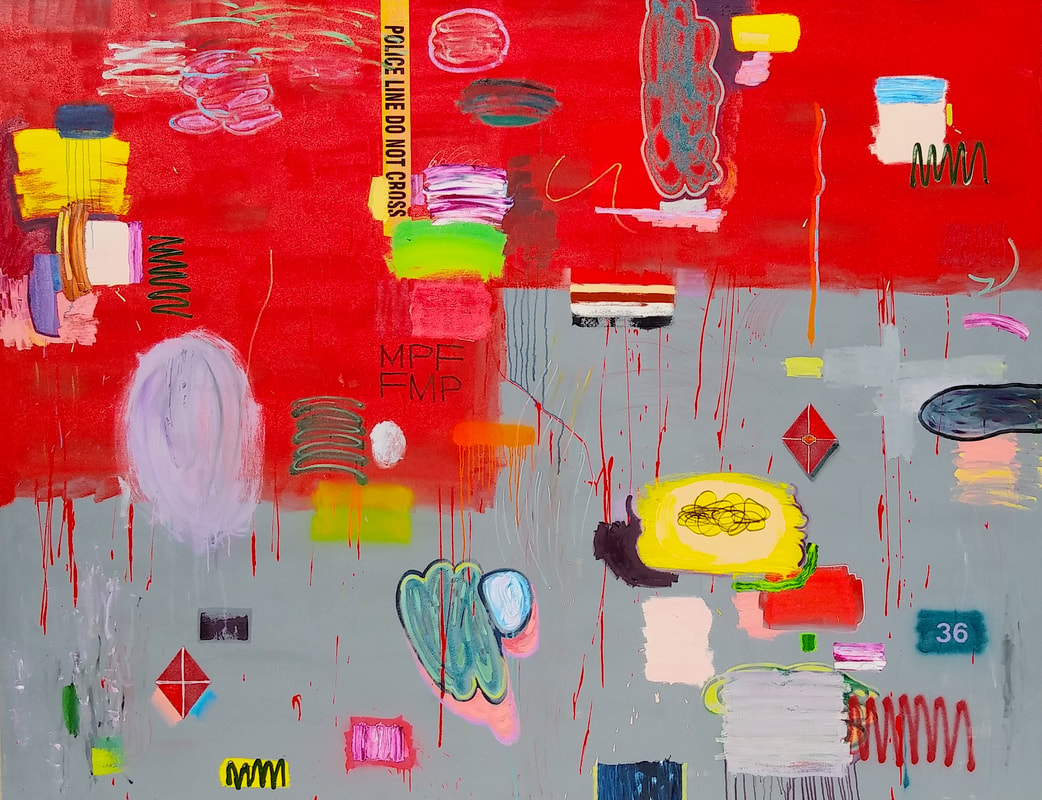
Parallax #5. 2021. oil, acrylic, spray paint, plastic tape, sticker, metal ornament. 85 x 110.5 inches
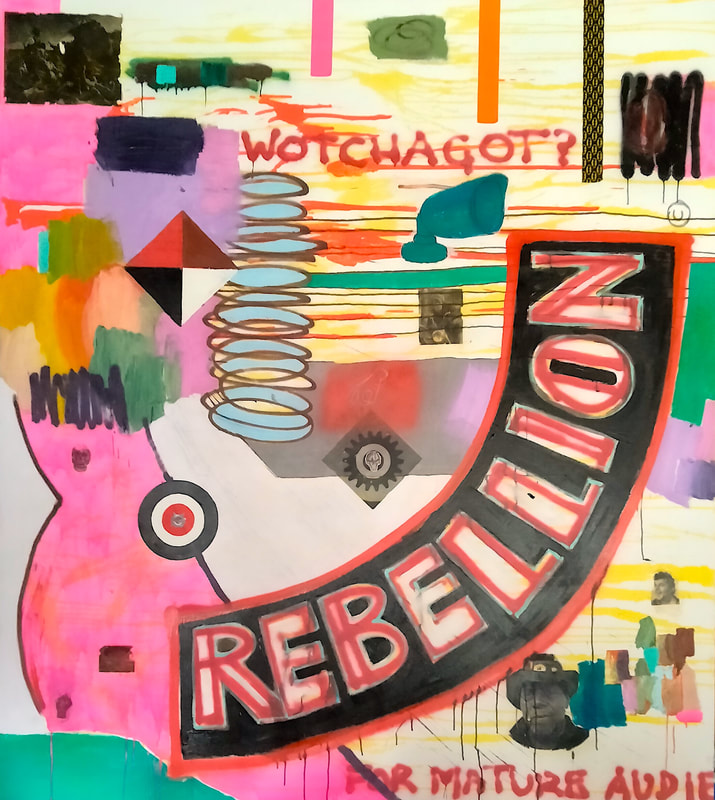
Parallax #9 (REBELLION). 2022. oil, acrylic, spray paint, photo transfer, duct tape on canvas over panel. 74 x 66 inches
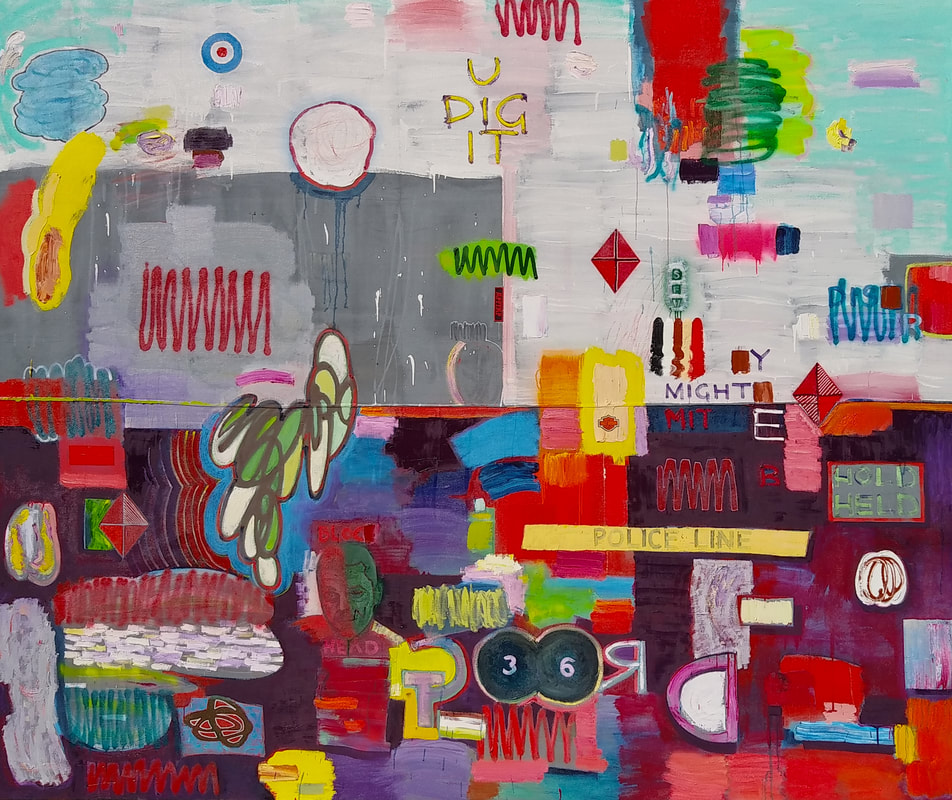
Parallax #6. 2021. oil, acrylic, spray paint, patch, sticker, metal ornament. 94 x 113
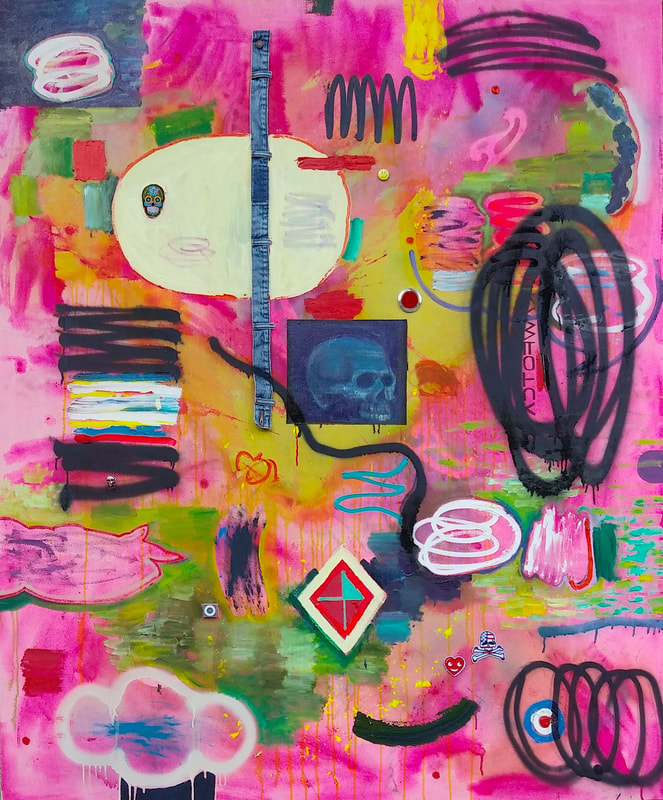
MiT#102.2. 2020. oil, acrylic, patches, iPod nano, reflector, metal skull pendant, denim, smiley face badge. 72 x 60 inches
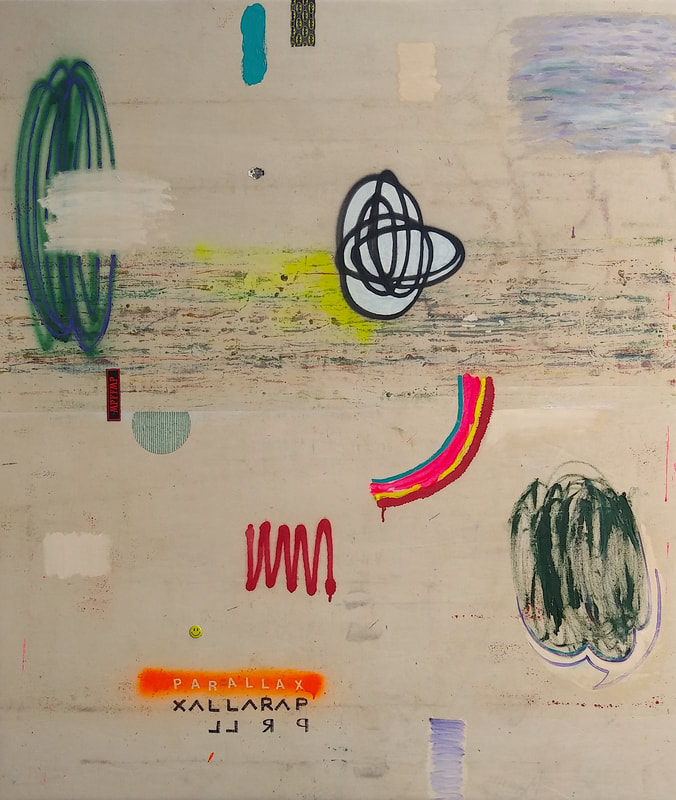
Parallax#1. 2021. 63 x 53 inches. oil, spray paint, acrylic, marker, collage elements on canvas
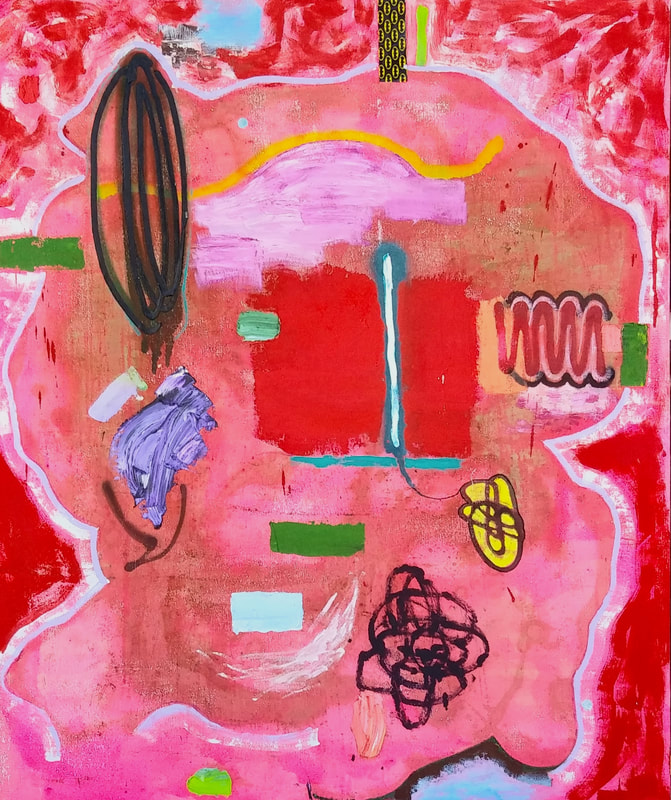
Parallax #2. 2021. oil, acrylic, spray paint, duct tape on canvas. 54 x 46 inches
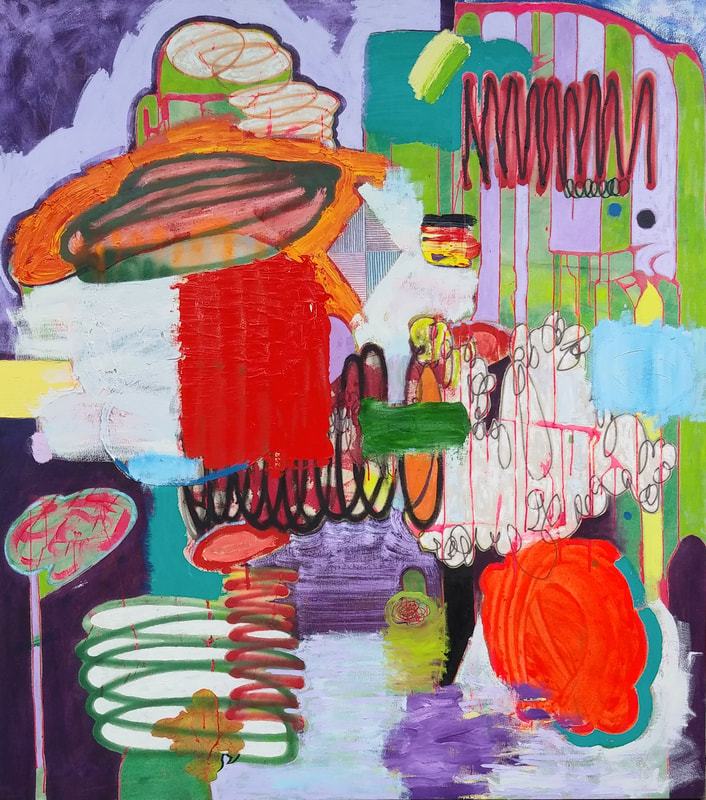
Parallax #3. 2021. oil, acrylic, spray paint on canvas over panel. 61 x 55 inches
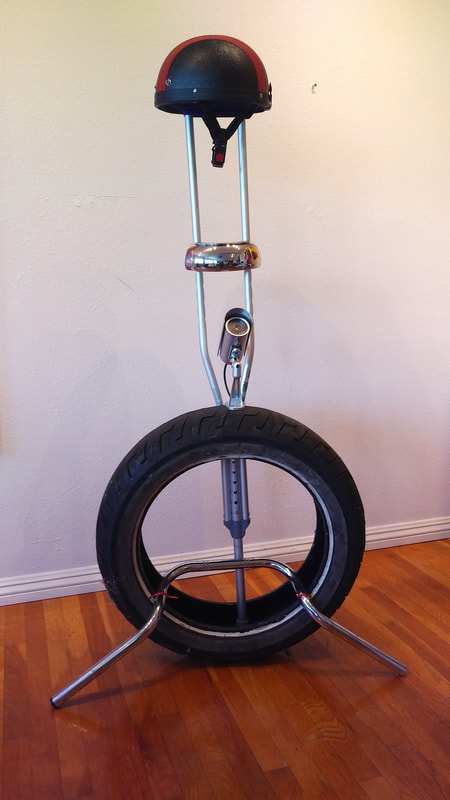
STAND. 2021. Tire, crutch, helmet, handlebars, security camera, zip ties. 56 x 31 x 20 inches
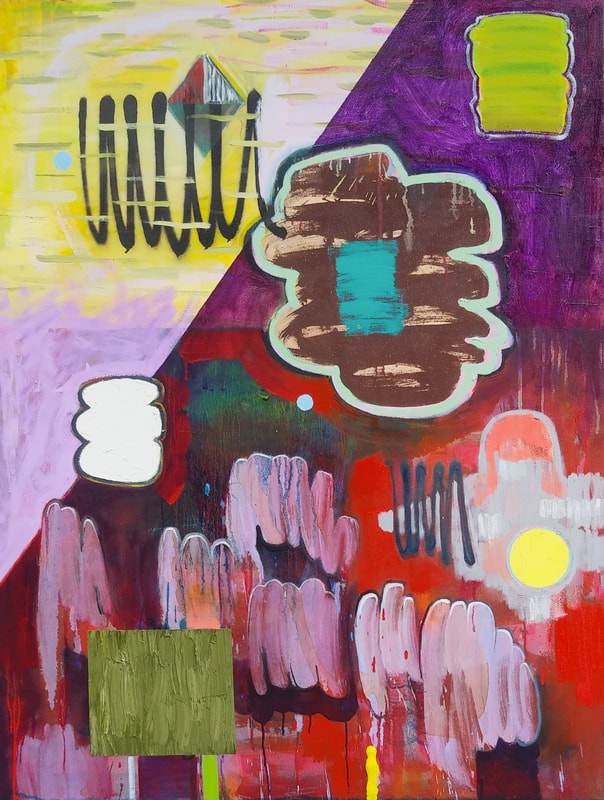
MiT#154. 2021. oil, acrylic, spray paint on canvas. 58 x 44 inches
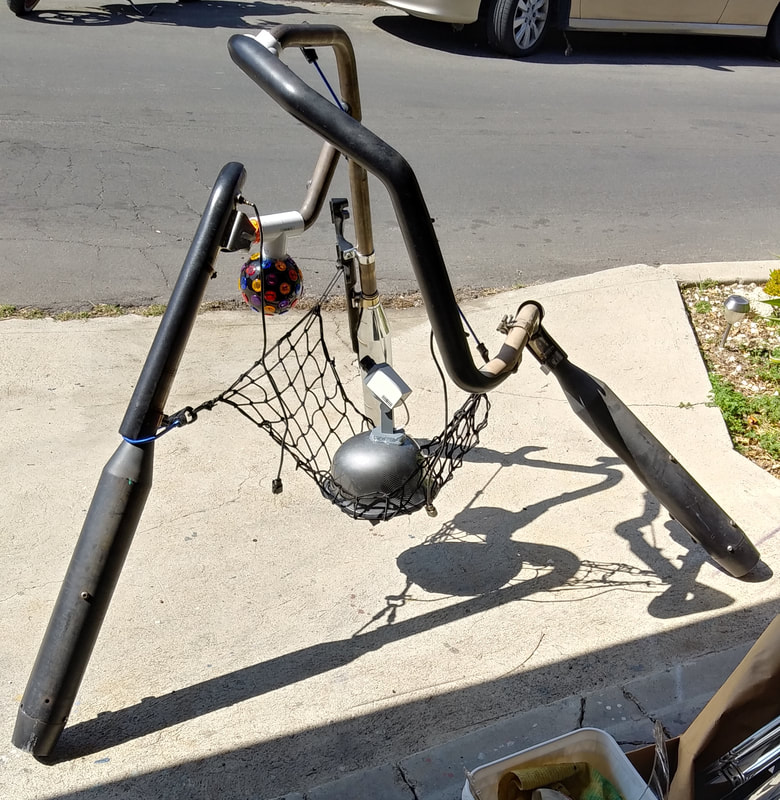
WEB. 2021. motorcycle exhausts, netting, plastic joints, duct tape, bungy cord, helmet, fake security camera, disco ball. dimensions variable
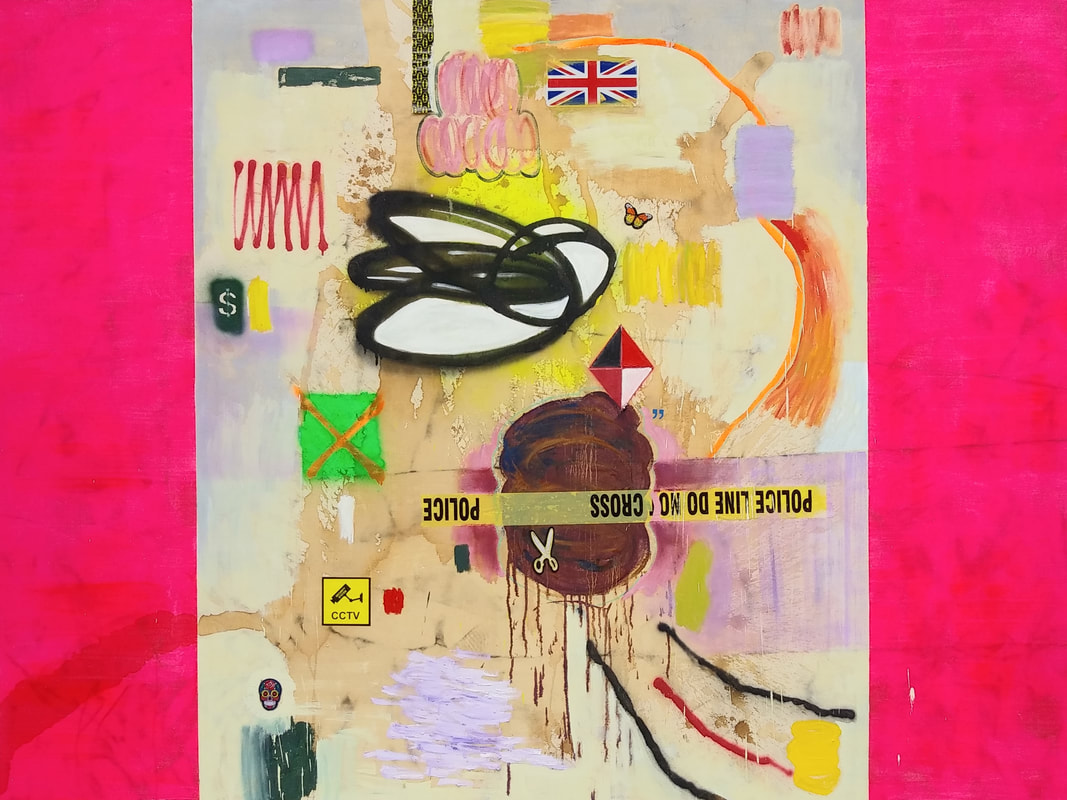
MiT#134 (Instrumentum Regni - pink). 2020. oil, acrylic, spray paint, tea, coffee, wine, motor oil, rubber, marker pen, patch, sticker, leather glove, denim, plastic tape, metal ornament skull, on canvas. 72 x 96 inches
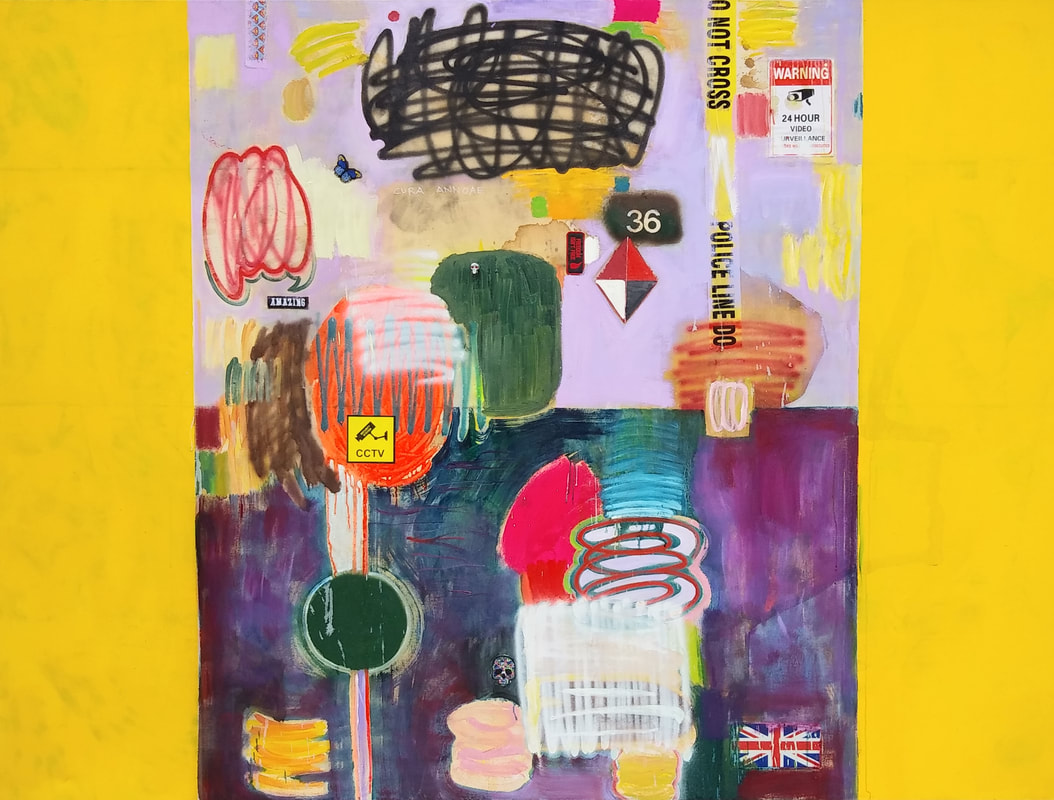
MiT#135 (Cura Annonae - yellow). 2020. oil, acrylic, spray paint, tea, coffee, wine, motor oil, rubber, marker pen, patch, sticker, leather glove, denim, plastic tape, metal ornament skull, security camera on canvas. 72 x 96 inches
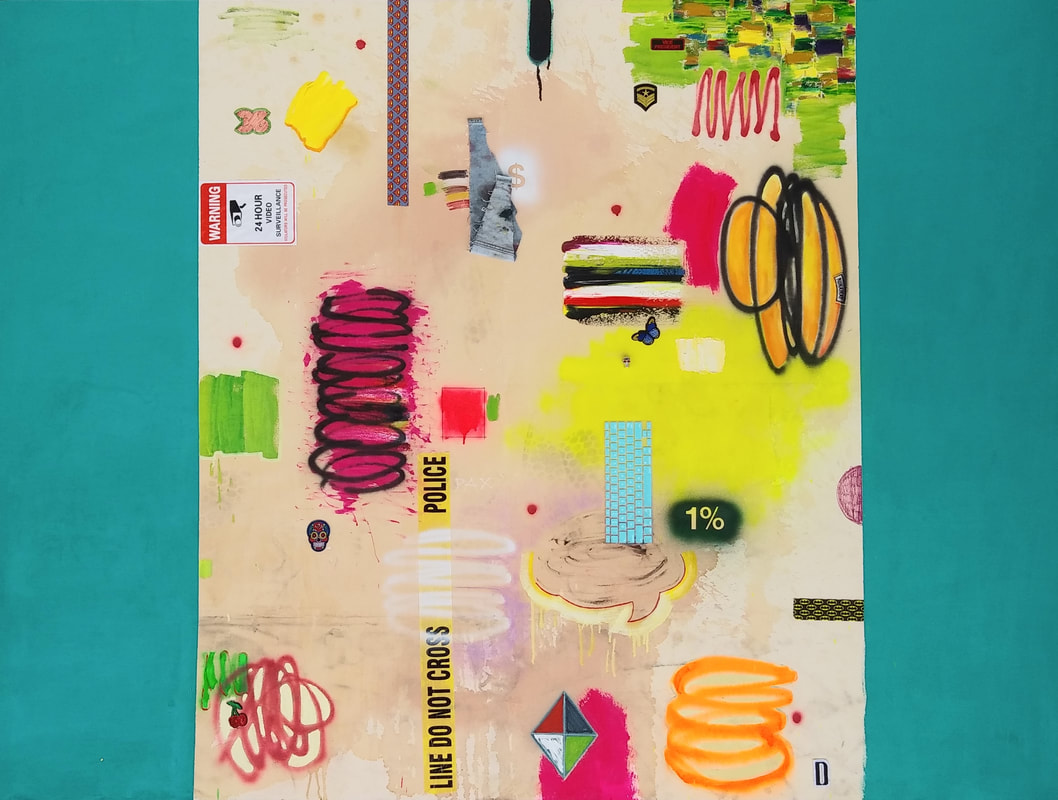
MiT#133 (PAX - teal). 2020. oil, acrylic, spray paint, tea, coffee, wine, motor oil, rubber, marker pen, patch, sticker, leather glove, denim, plastic tape, metal ornament skull, on canvas. 72 x 96 inches
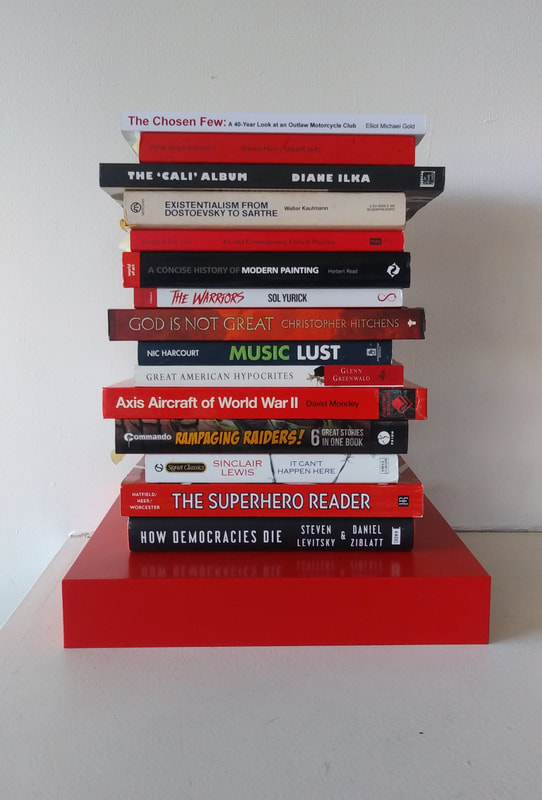
Reader. 2021. shelf, books. 15.5 x 12 x 12 inches
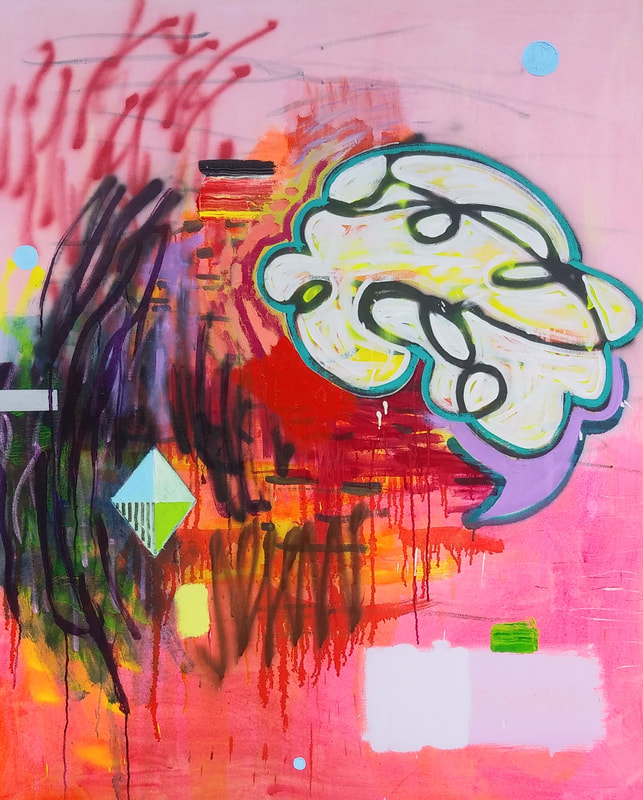
MiT#155. 2021. oil, acrylic, spray paint on canvas. 54.5 x 44 inches
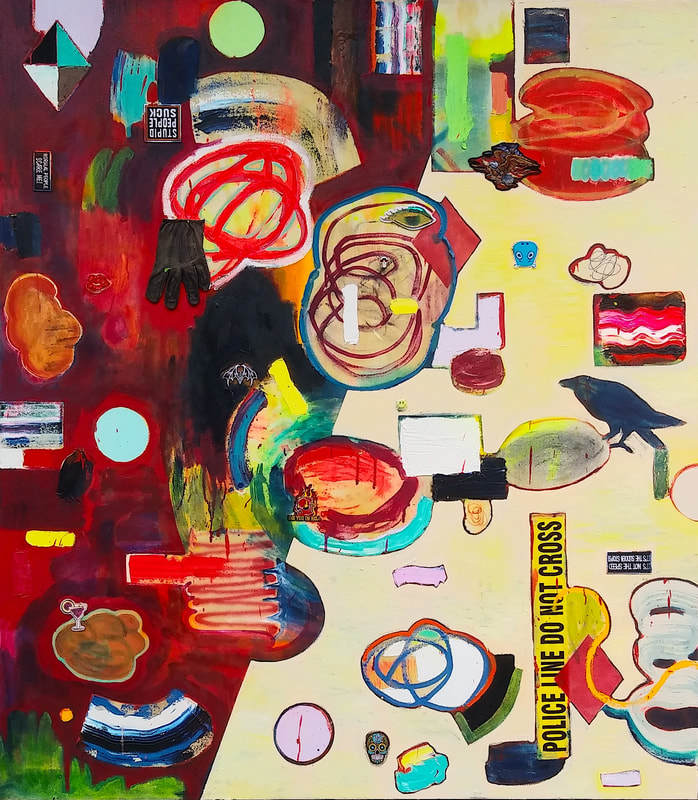
MiT#131.2. 2020. oil, acrylic, motor oil, tea, enamel, patches, badge, metal ornament skull, plastic tape, leather glove on canvas. 68 x 60 inches
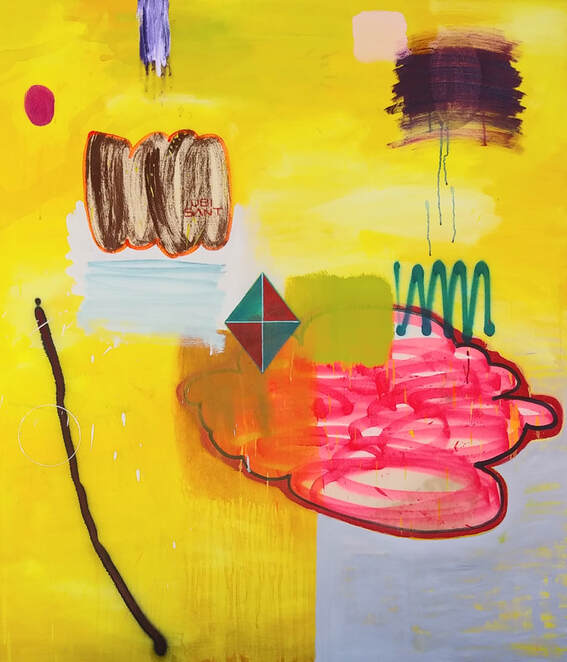
MiT#130. 2020. oil, spray paint, marker, motor oil, tea on canvas. 51 x 44 inches
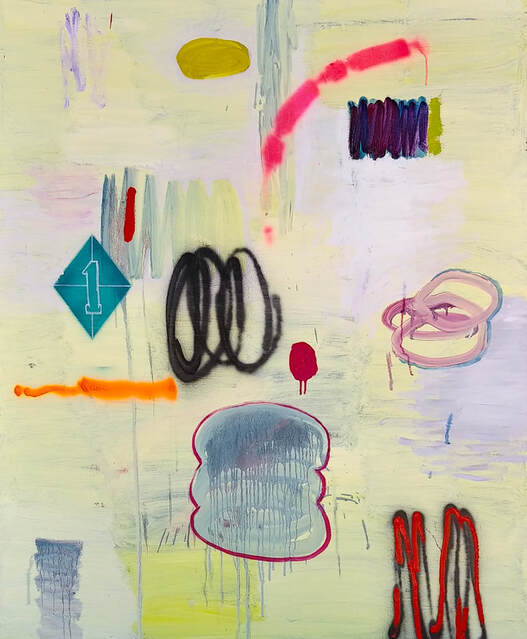
MiT#129. 2020. oil, spray paint, on canvas. 48 x 40 inches
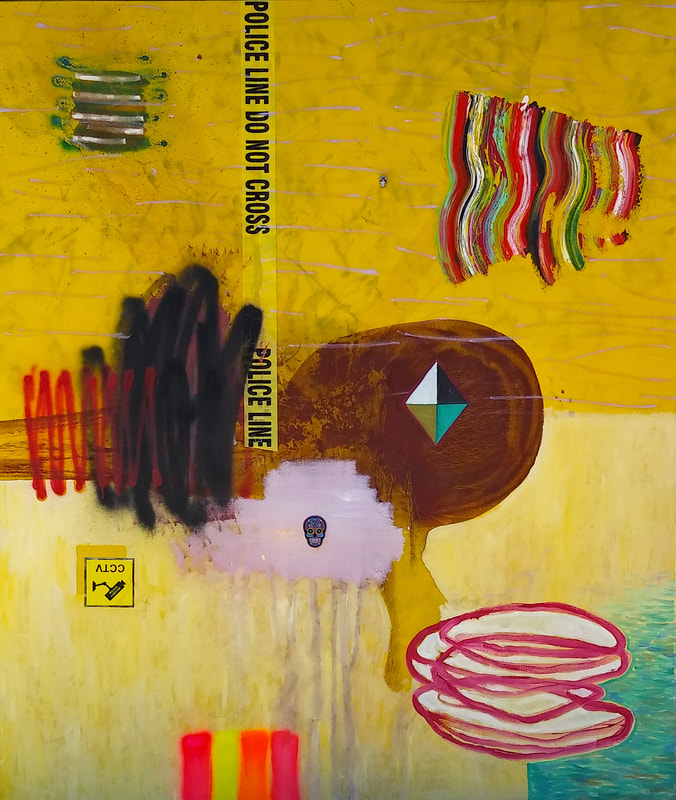
MiT#128. 2020. oil, acrylic, spray paint, sticker, plastic tape, patch, metal skull, tea, motor oil. 70 x 60 inches
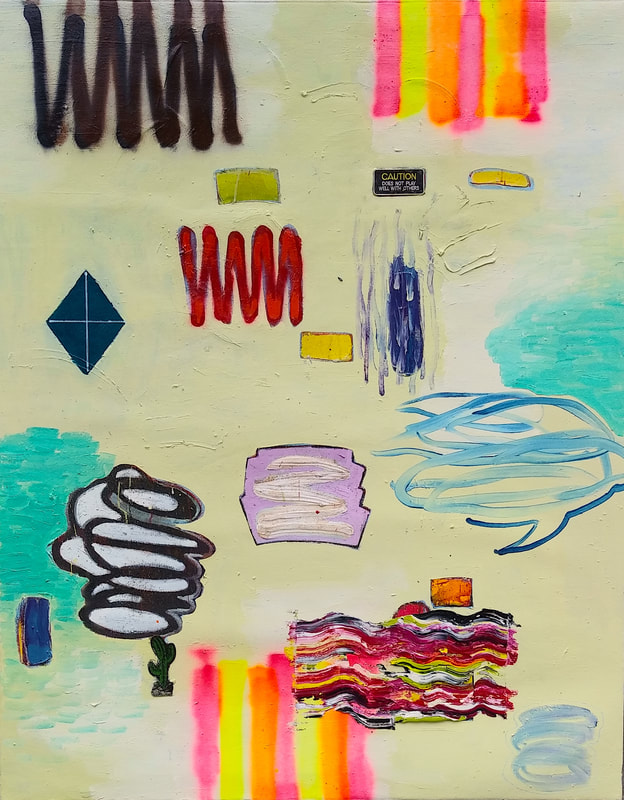
MiT#127. 2020. oil, spray paint, patch on canvas. 60 x 50 inches
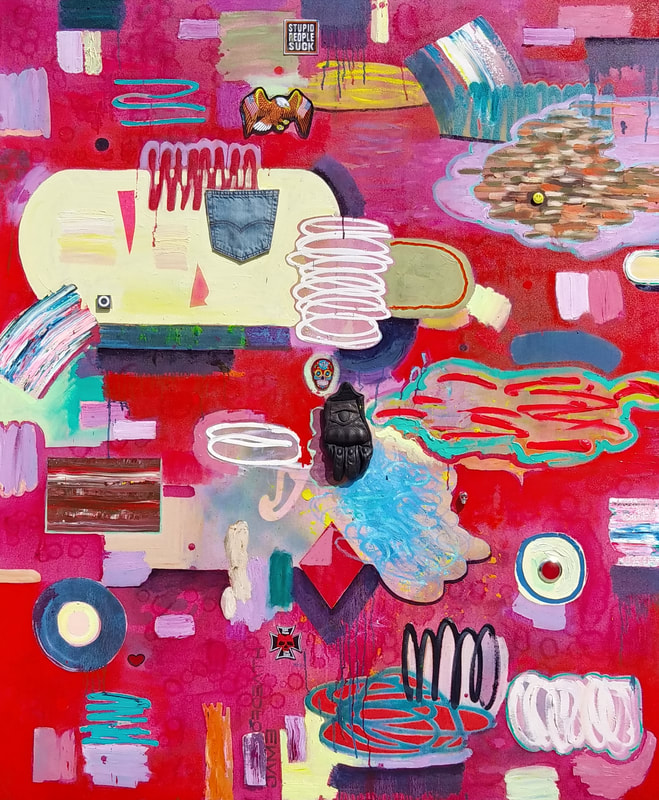
MiT#103.3. 2020. oil, acrylic, patches, iPod Nano, reflector, leather glove, metal skull pendant, denim, badge on canvas. 72 x 60 inches
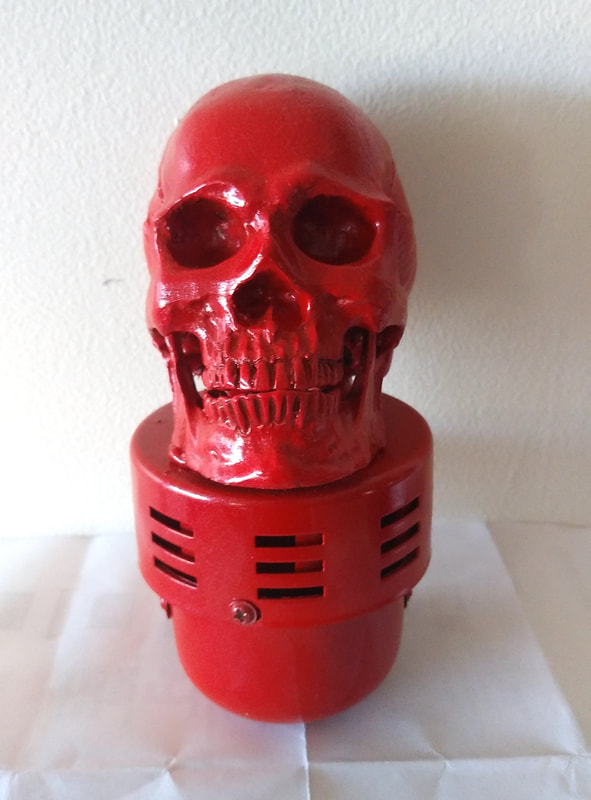
Screamer. 2021. plastic skull, electric horn. 6.5 x 3 x 4 inches
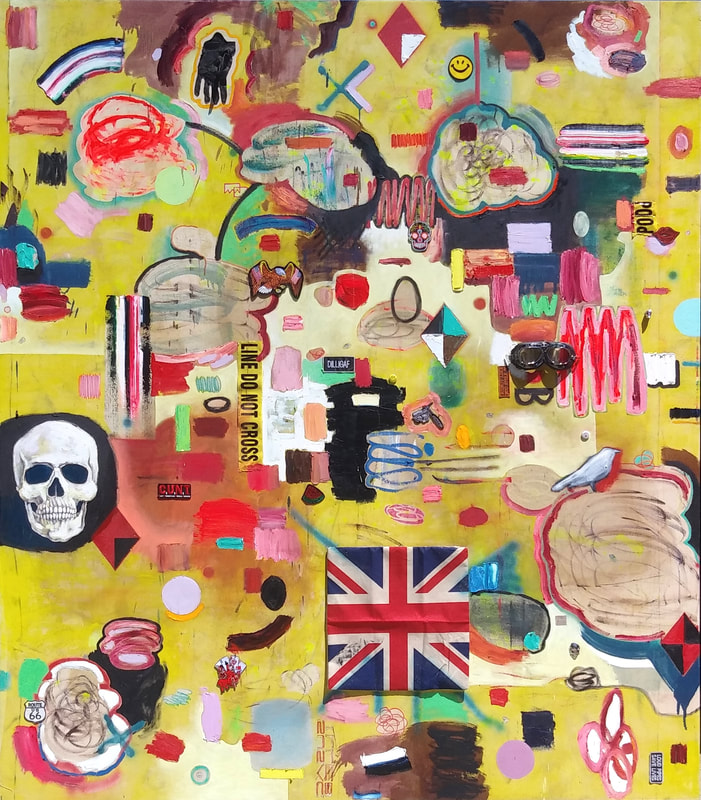
MiT#119. 2020. oil, acrylic, motor oil, tea, enamel, patches, badge, metal ornament skull, plastic tape, goggles, leather glove, pillowcase, stencil, on canvas. 96 x 84 inches
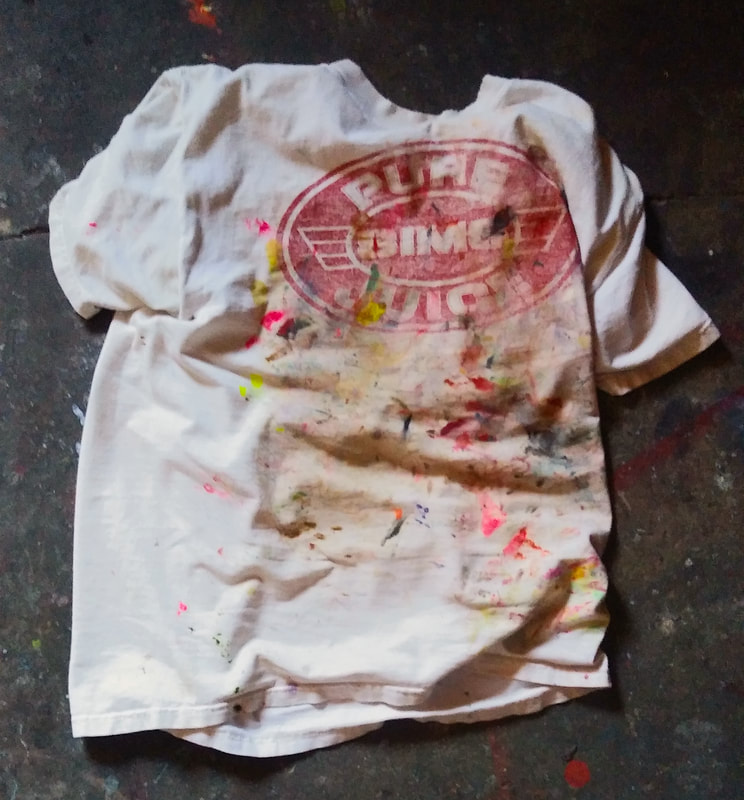
Mark of presence - Shirt. 2020. photograph
|
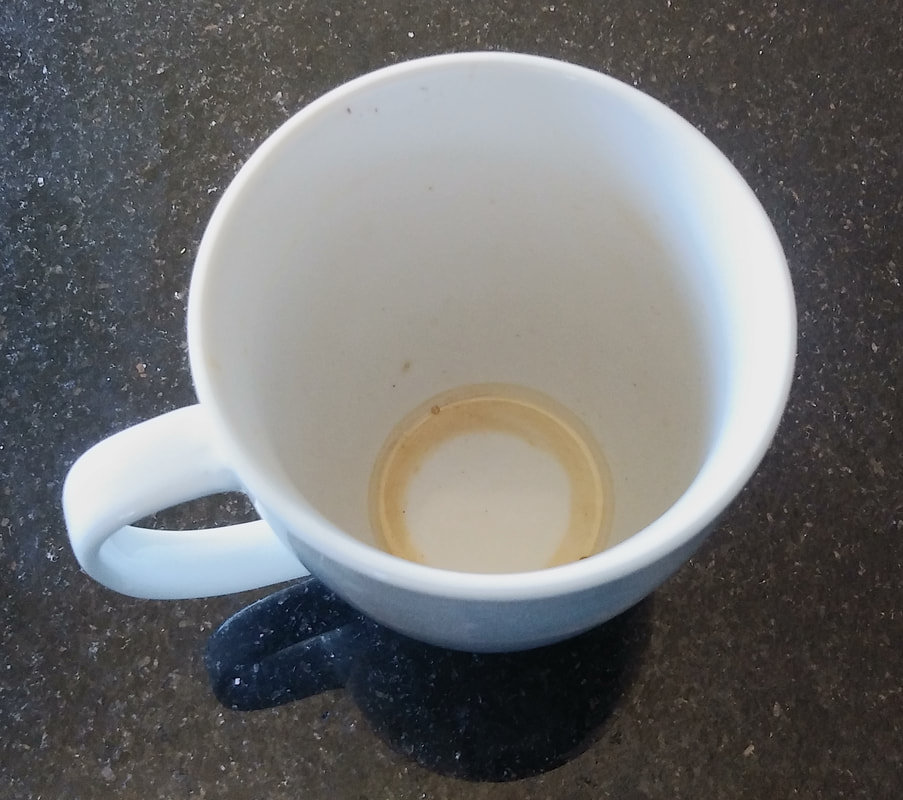
Mark of presence - Cup. 2020. photograph
|
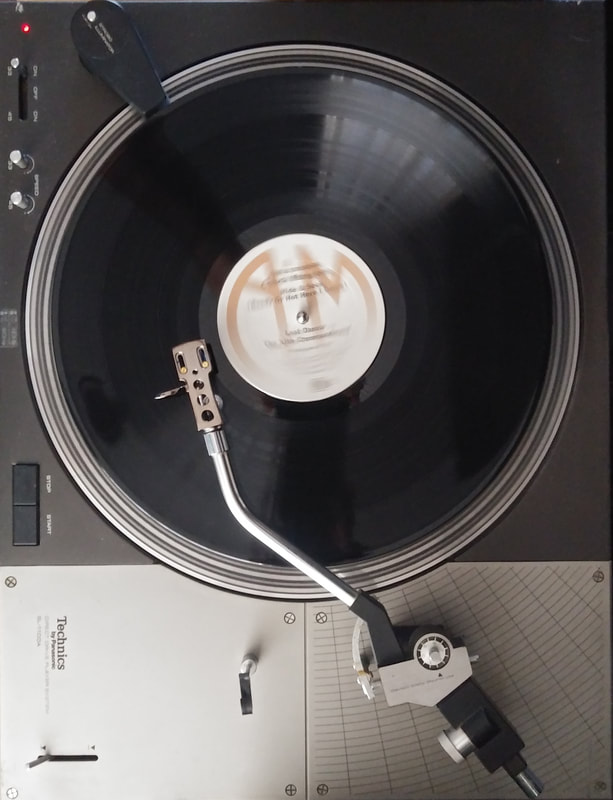
Mark of presence - Disc. 2020. photograph
|
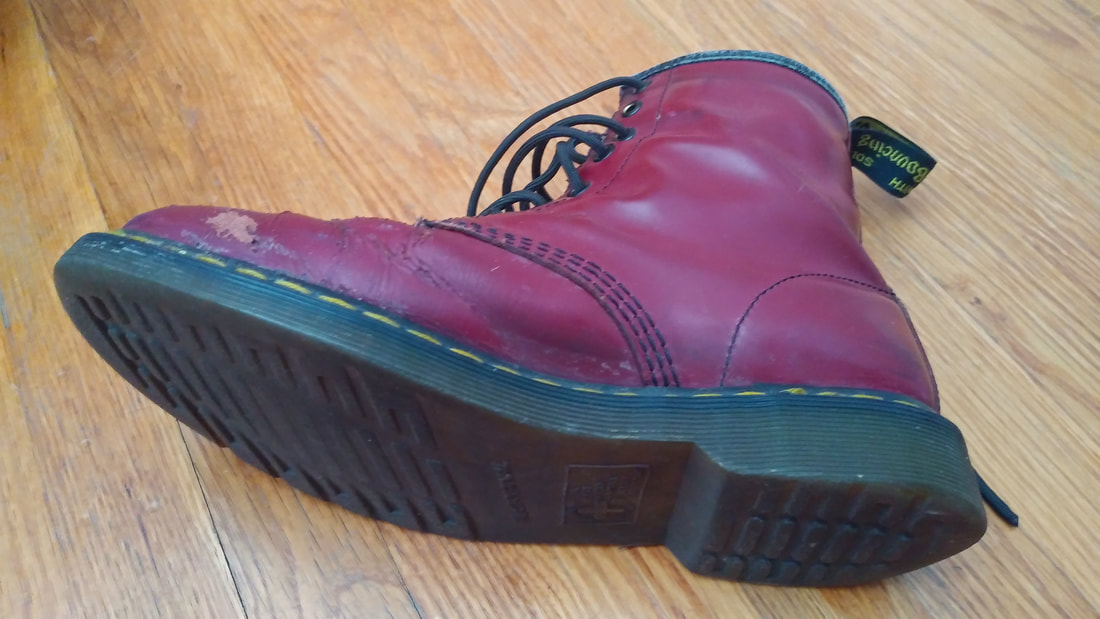
Mark of presence - Boot. 2020. photograph
|
MiT#126. 2020. oil, plastic, denim, clasp, metal skull, flag badge on canvas. 60 x 50 inches
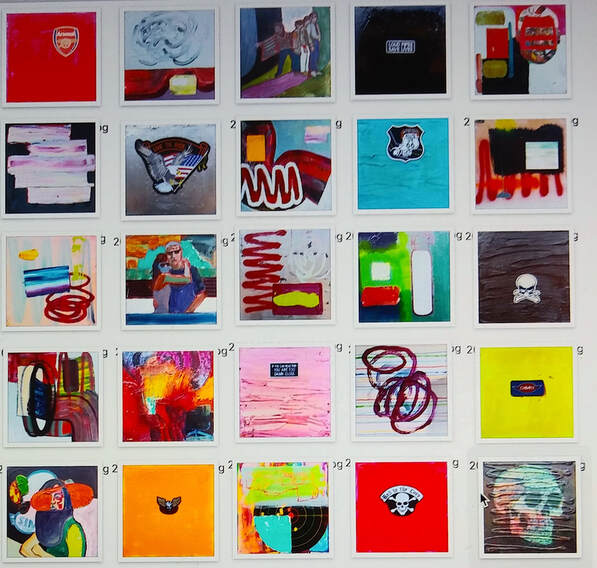
Jackanory. 2020. oil, acrylic, spray paint, collage on canvas. 68 x 68 inches (variable). Each canvas 12 x 12 inches
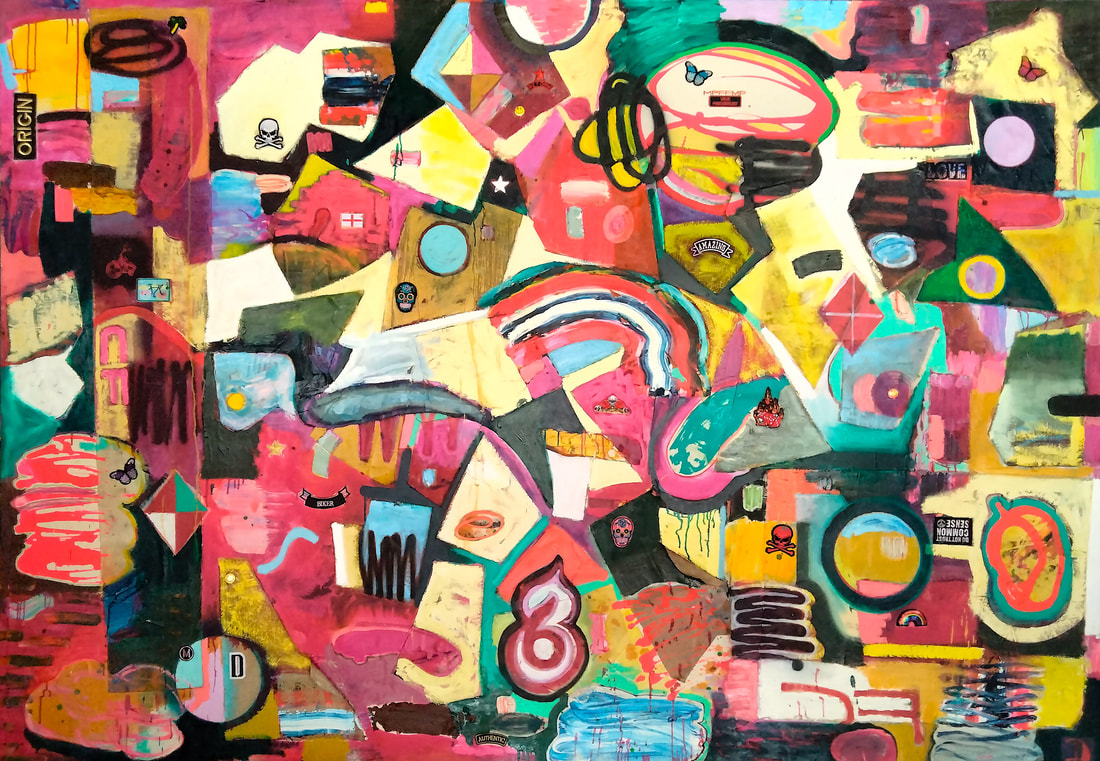
Parallax #28. 2023. oil, acrylic, spray paint, patches, badges, canvas on fabric. 72 x 102 inches
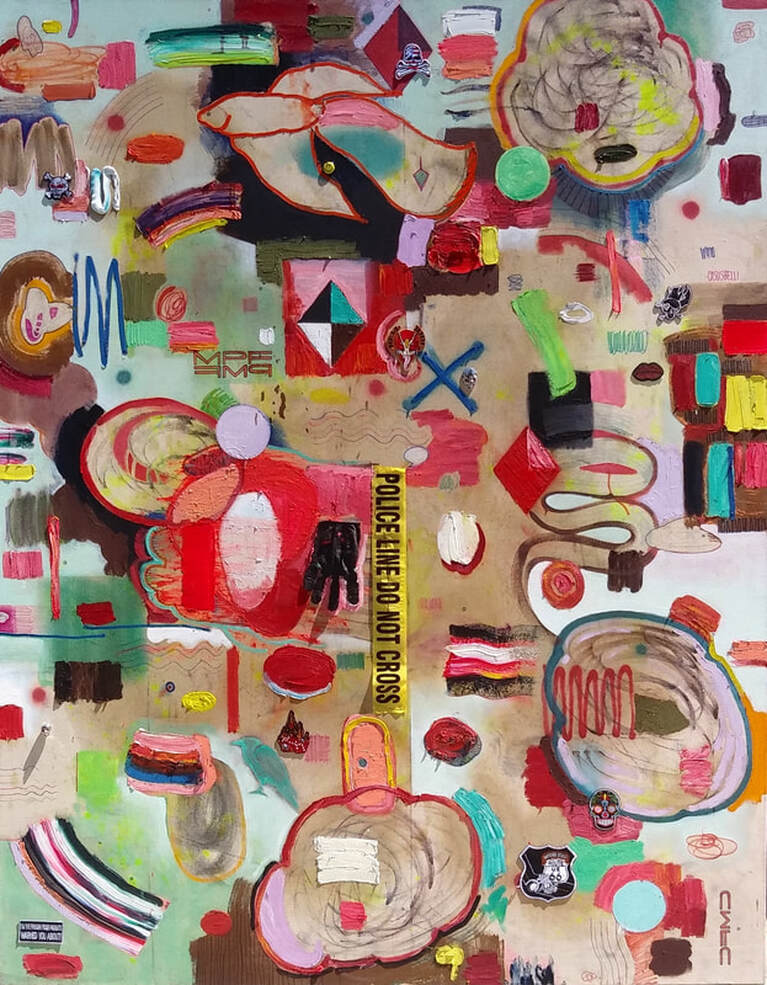
MiT#114. 2020. oil, acrylic, motor oil, tea, enamel, patches, badge, metal ornament skull, plastic tape, leather glove on canvas. 84 x 66 inches
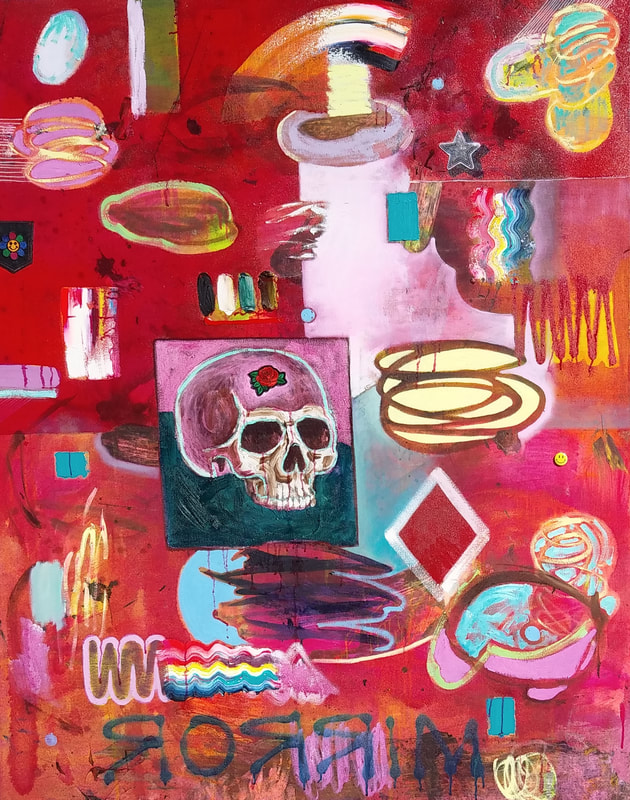
MiT#108.2. 2020. oil, acrylic, enamel, patches, badge. 60 x 48 inches
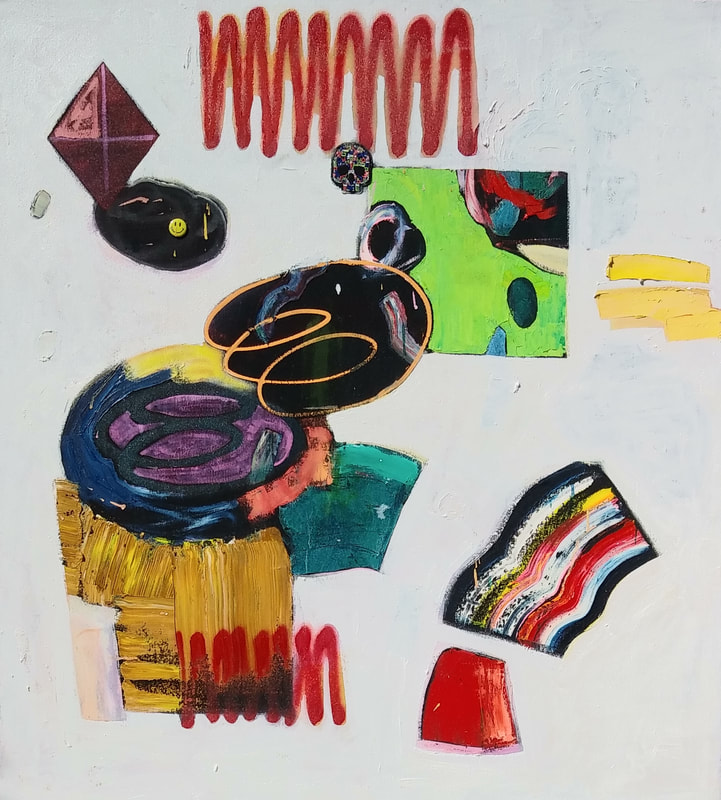
MiT#115. 2020. oil, acrylic, motor oil, tea, enamel, patches, badge on canvas. 44 x 40 inches
|
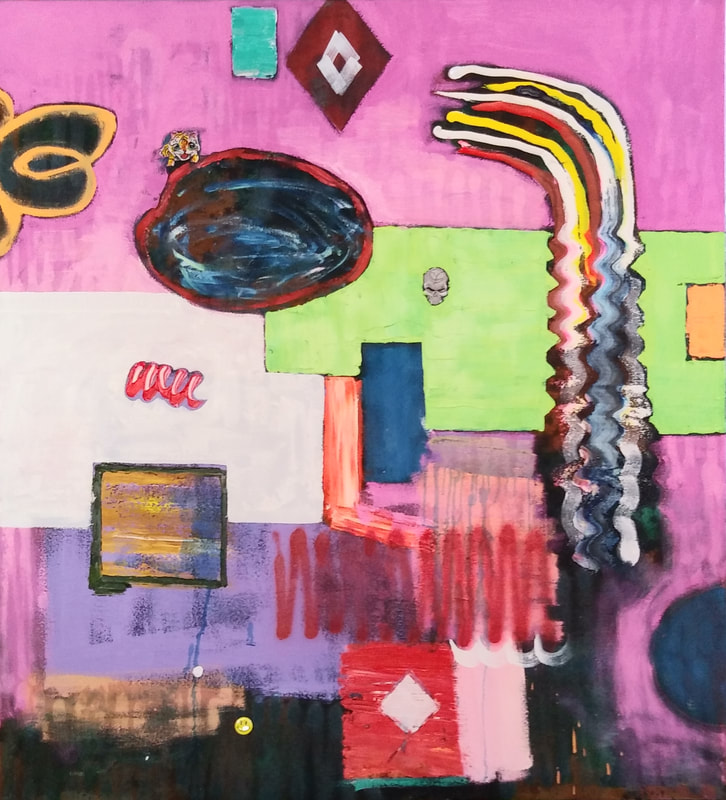
MiT#116. 2020. oil, acrylic, motor oil, tea, enamel, patches, badge, on canvas. 44 x 40 inches
|
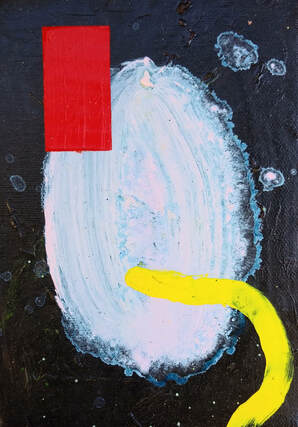
MiT#138. 2021. oil on canvas. 7 x 5 inches
|
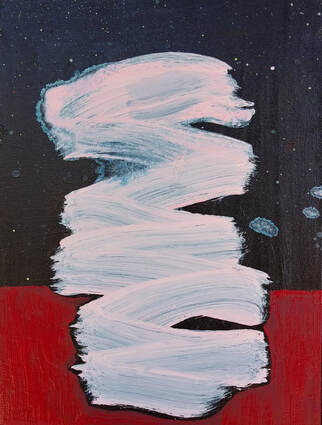
MiT#139. 2021. oil on canvas. 14 x 11 inches
|
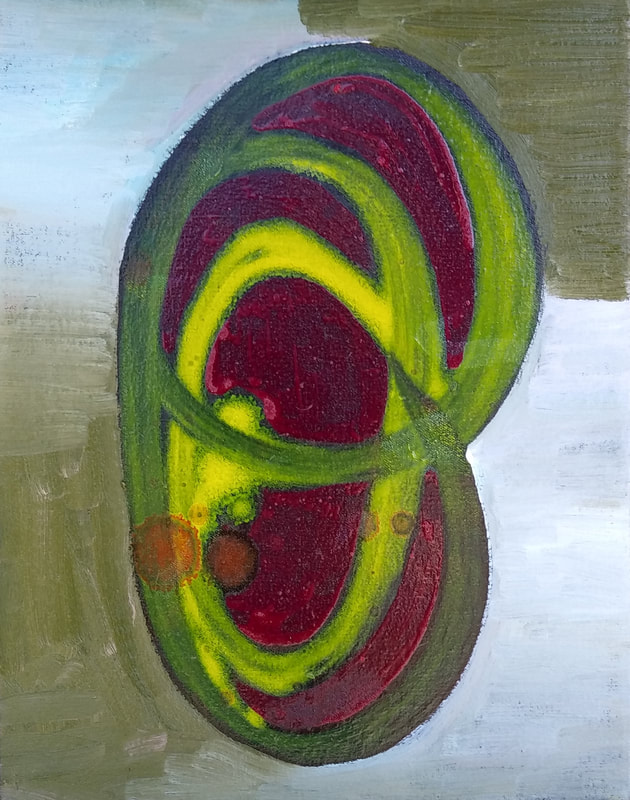
MiT#141. 2021. oil on canvas. 14 x 11 inches
|
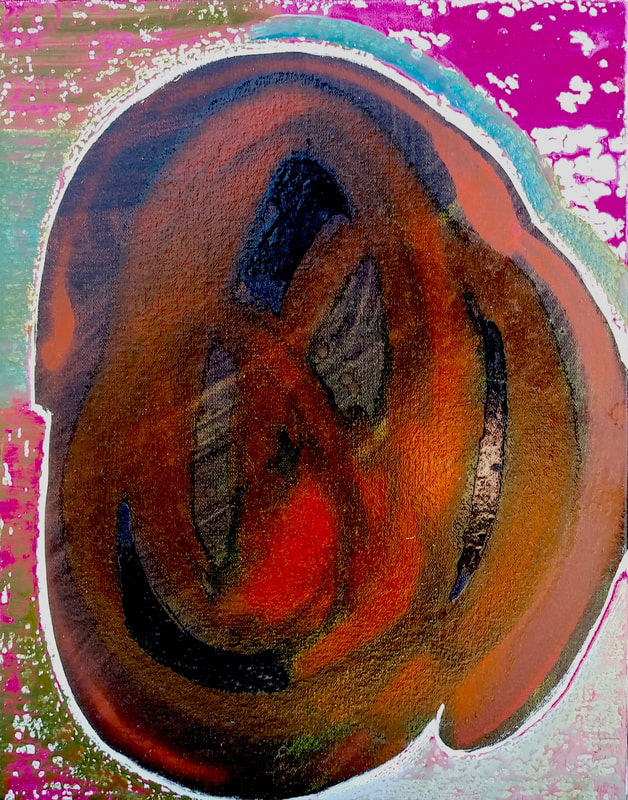
MiT#142. 2021. oil on canvas. 14 x 11 inches
|
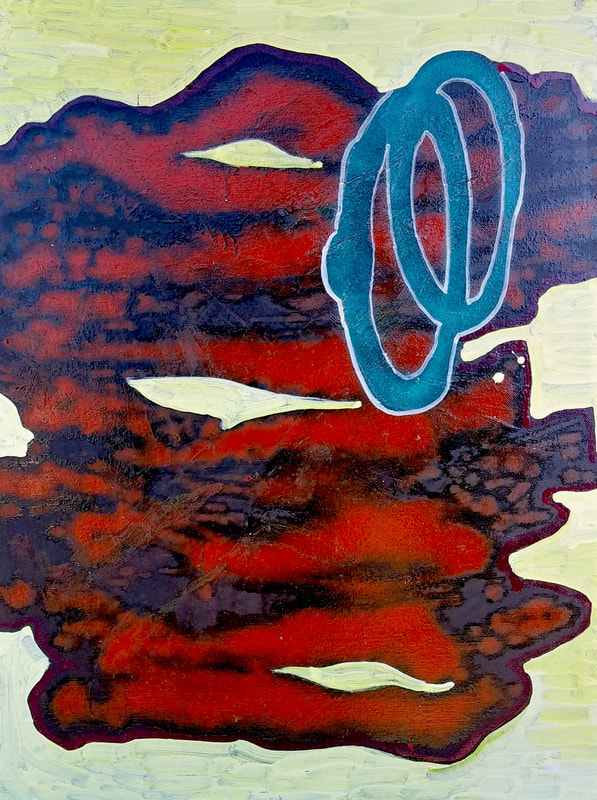
MiT#143. 2021. oil on canvas. 24 x 18 inches
|
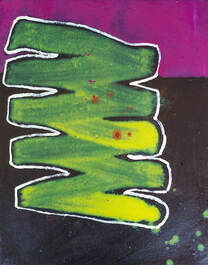
MiT#136. 2021. oil on canvas. 14 x 11 inches
|
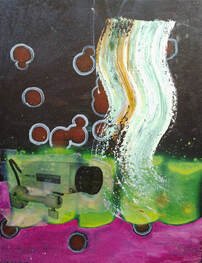
MiT#137. 2021. oil on canvas. 14 x 11 inches
|
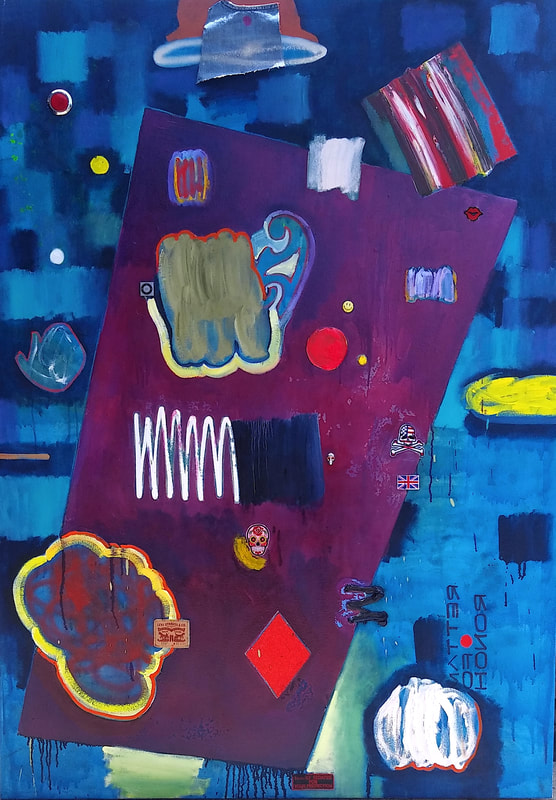
MiT#101.2. 2020. Oil, acrylic, patches, iPod nano, reflector, metal skull pendant, denim, smiley face badge. 70 x 50 inches
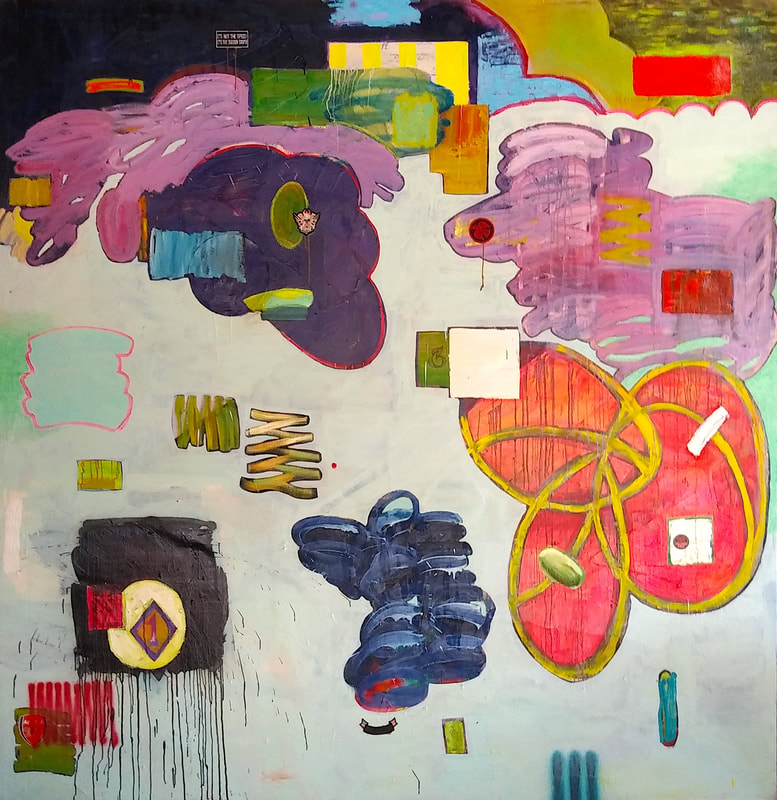
MiT#122. 2020. oil, patches, on canvas. 96 x 94 inches
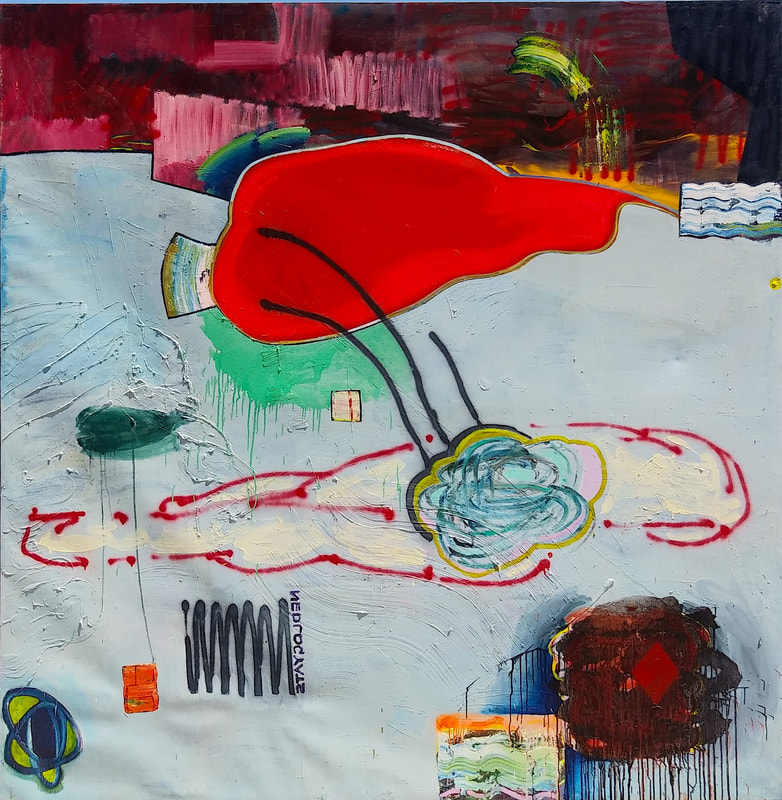
MiT#123. 2020. oil on canvas. 96 x 94 inches
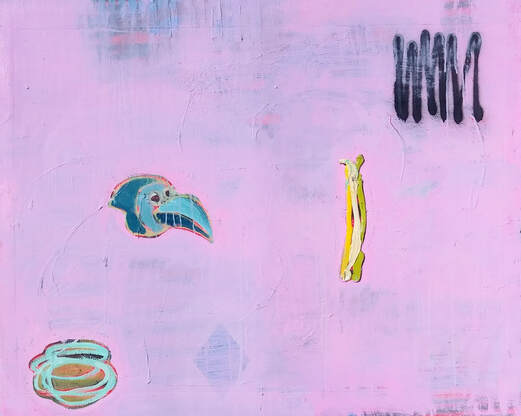
MiT#125. 2020. oil and spray-paint on canvas. 48 x 60 inches
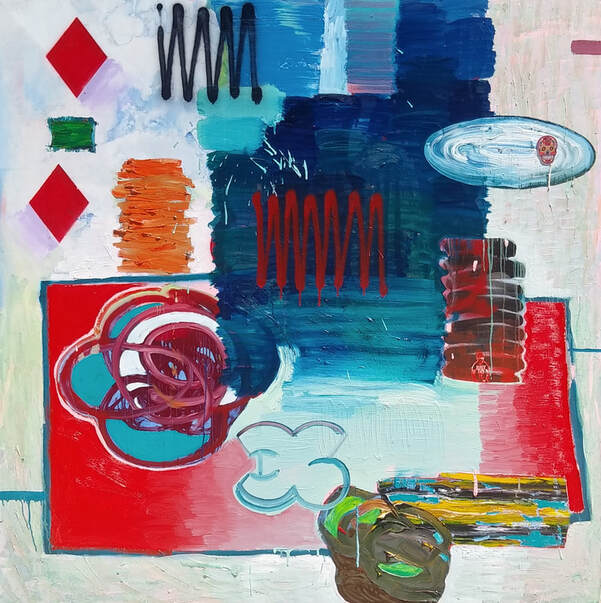
MiT#91.2. 2019. oil, acrylic, patch and enamel on canvas over panel. 60 x 60 inches
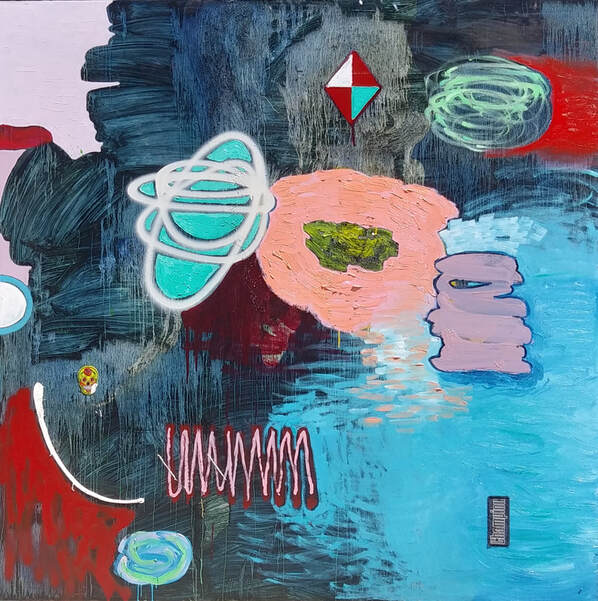
MiT#85.2. 2019. oil, acrylic, enamel, patches on canvas over panel. 60 x 60 inches
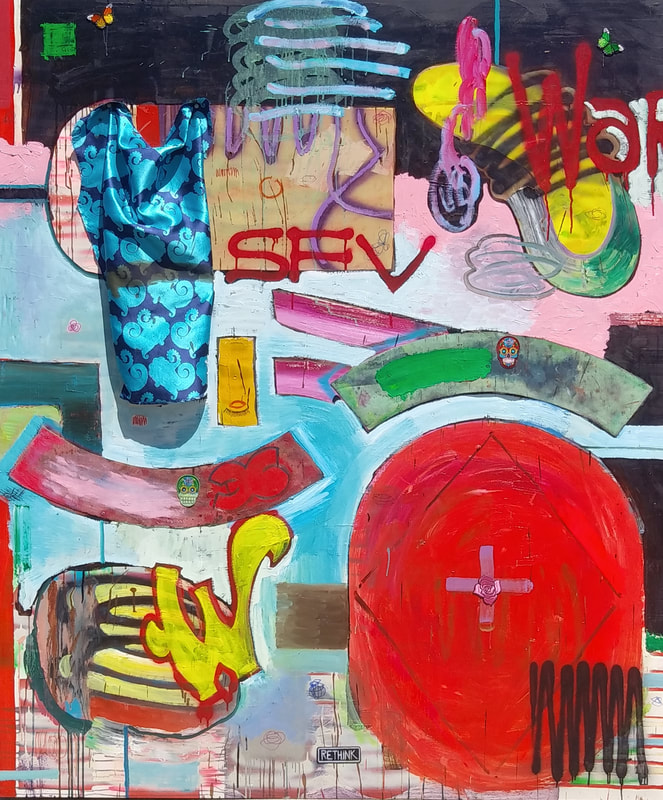
MiT#107. 2019. oil, enamel, fabric, patches, on canvas over panel. 72 x 60 inches
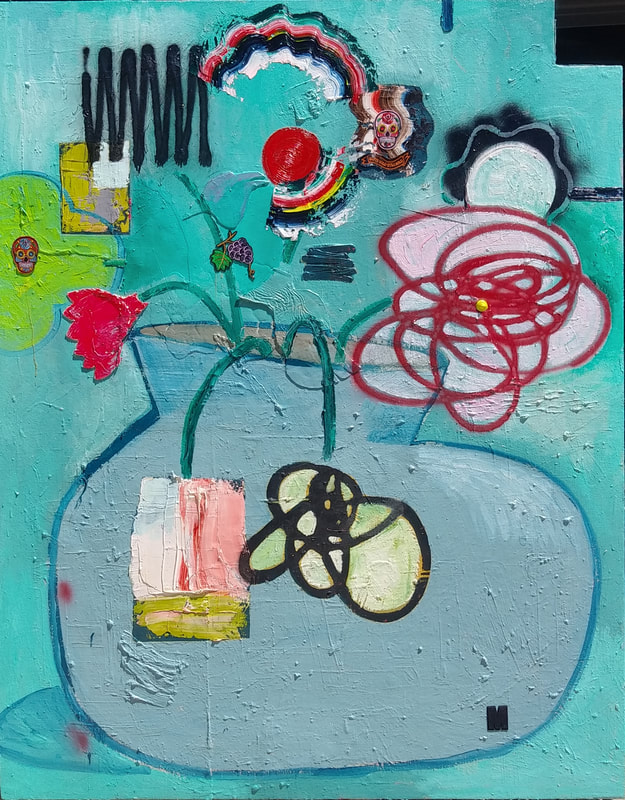
MiT#120 (flowers). 2020. oil on canvas over panel. 60 x 48 inches, with upper right section removed
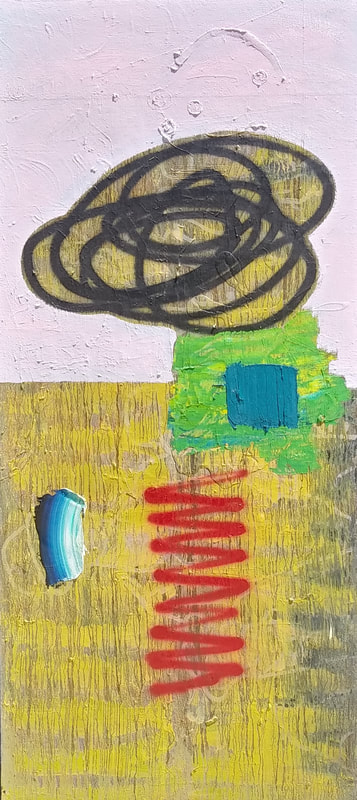
MiT#121. 2020. oil, spray paint on canvas over panel. 60 x 20 inches
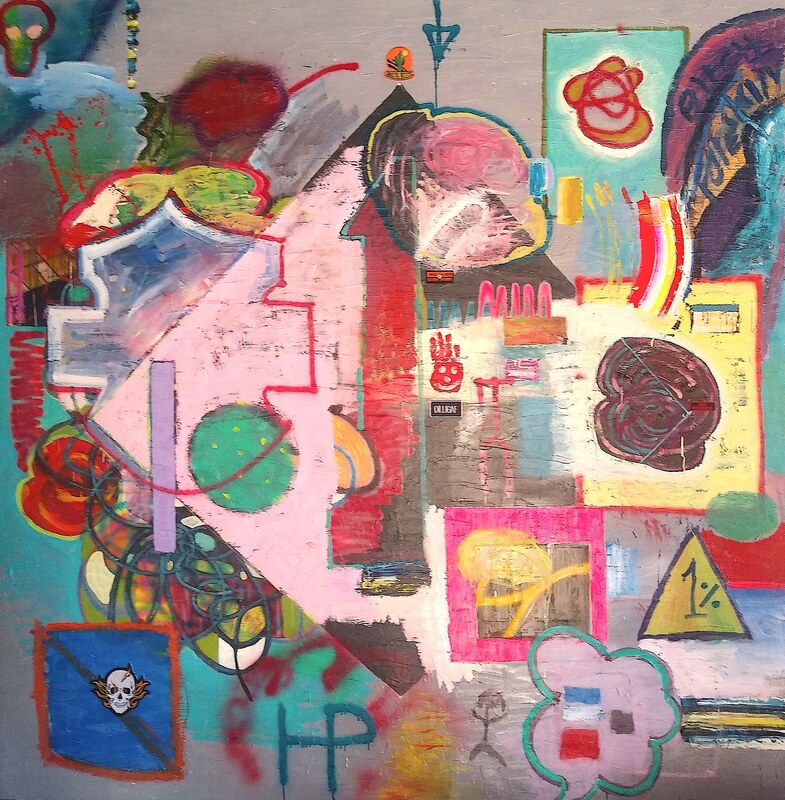
FewCrew Painting. 2020. Oil, enamel, badge on canvas. 96 x 94 inches. Painted by Max Presneill, Speedo, Cornfed and Lil Bro.
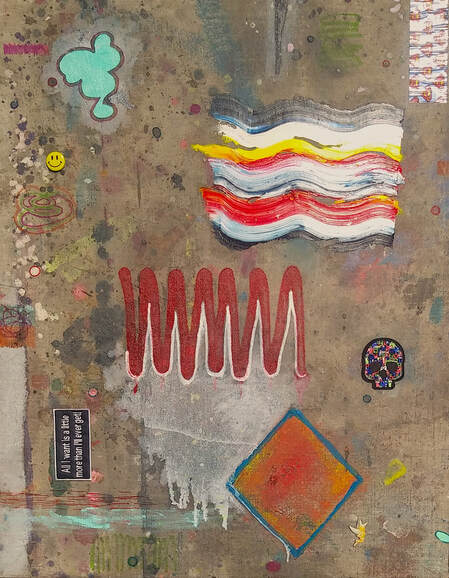
MiT#112. 2020. oil, enamel, patch, badges, marker on canvas. 30 x 24 inches
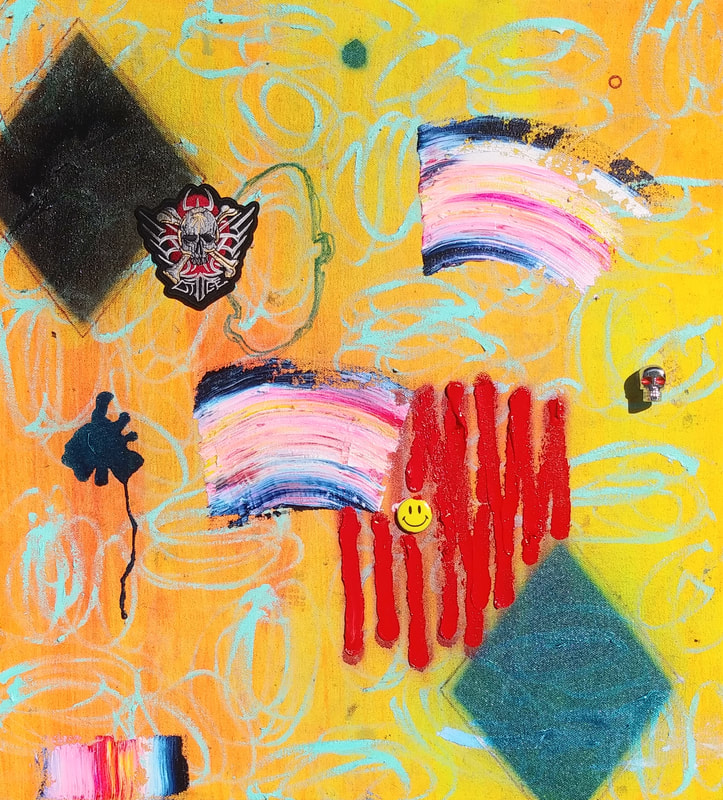
MiT#110. 2020. oil, acrylic, enamel, patch, badge, metal ornament skull on canvas. 22 x 20 inches
|
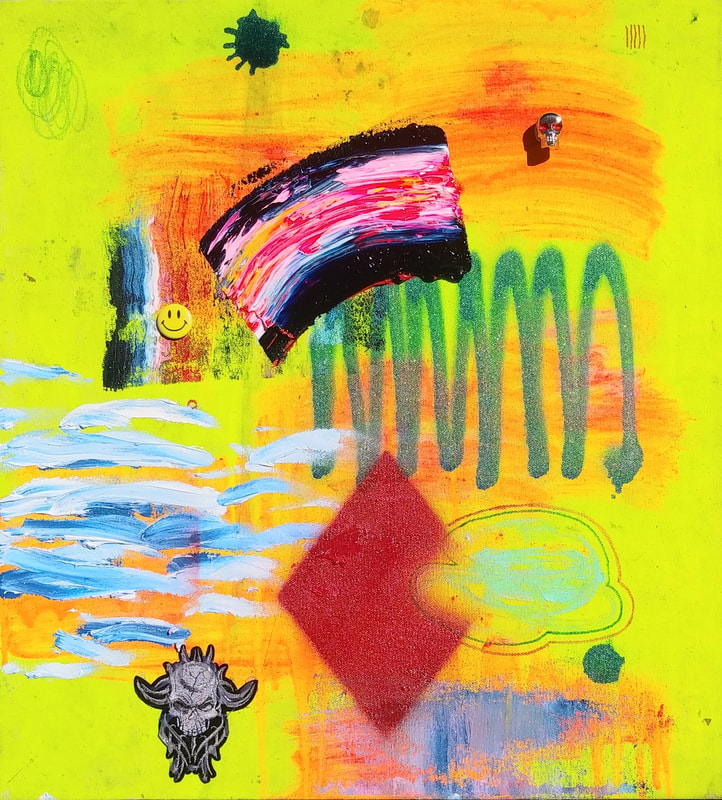
MiT#111. 2020. oil, acrylic, enamel, motor oil, patch, badge, metal ornament skull on canvas. 22 x 20 inches
|
